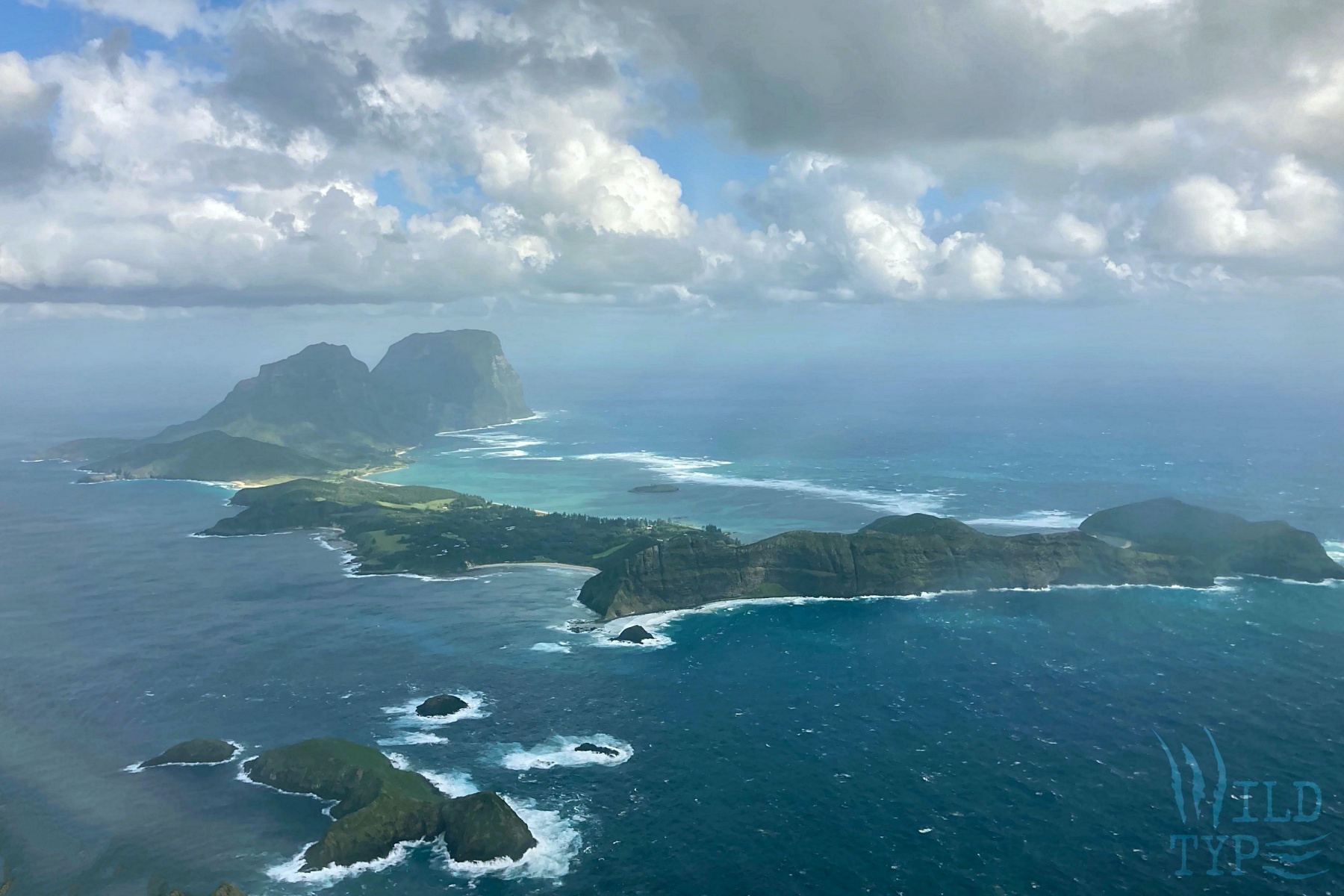
Shuddering, and the plane pulled up from its descent and fled back over the turquoise sea. Jade mountains retreated from my tiny window, as fantastical as a storybook illustration and just as unreachable.
“Aren’t we turning around?” I hissed.
In reply, the pilot’s voice came over the speakers.
“As you can tell, the wind’s quite strong, making it difficult to land. We’ll try one more pass, but if we can’t touch down, we’ll have to return to Coffs Harbour.”
I exchanged an anxious look with my dad over the rims of our face masks. Nearly three years after I’d moved to Australia amid a pandemic, and a year after he’d survived pancreatic cancer, he’d finally been able to visit. I was determined to make his four-week trip the adventure of a lifetime. So after a tourist weekend in Sydney, climbing the Harbor Bridge and riding the ferries, I’d splurged on a special father-daughter expedition: remote Lord Howe Island (LHI), a volcanic nature haven in the Tasman Sea. It seemed the perfect alternative to the Galápagos trip we’d often talked about taking together, but never did.
Now blustery weather might thwart yet another plan.
The plane banked again. I gripped my armrests, visualizing a gap in the wind patterns. Kentia palms rose into focus. Masked lapwings flew up from the grass. Wheels kissed tarmac, and all the passengers applauded. We disembarked under the stoic watch of Mt. Gower.
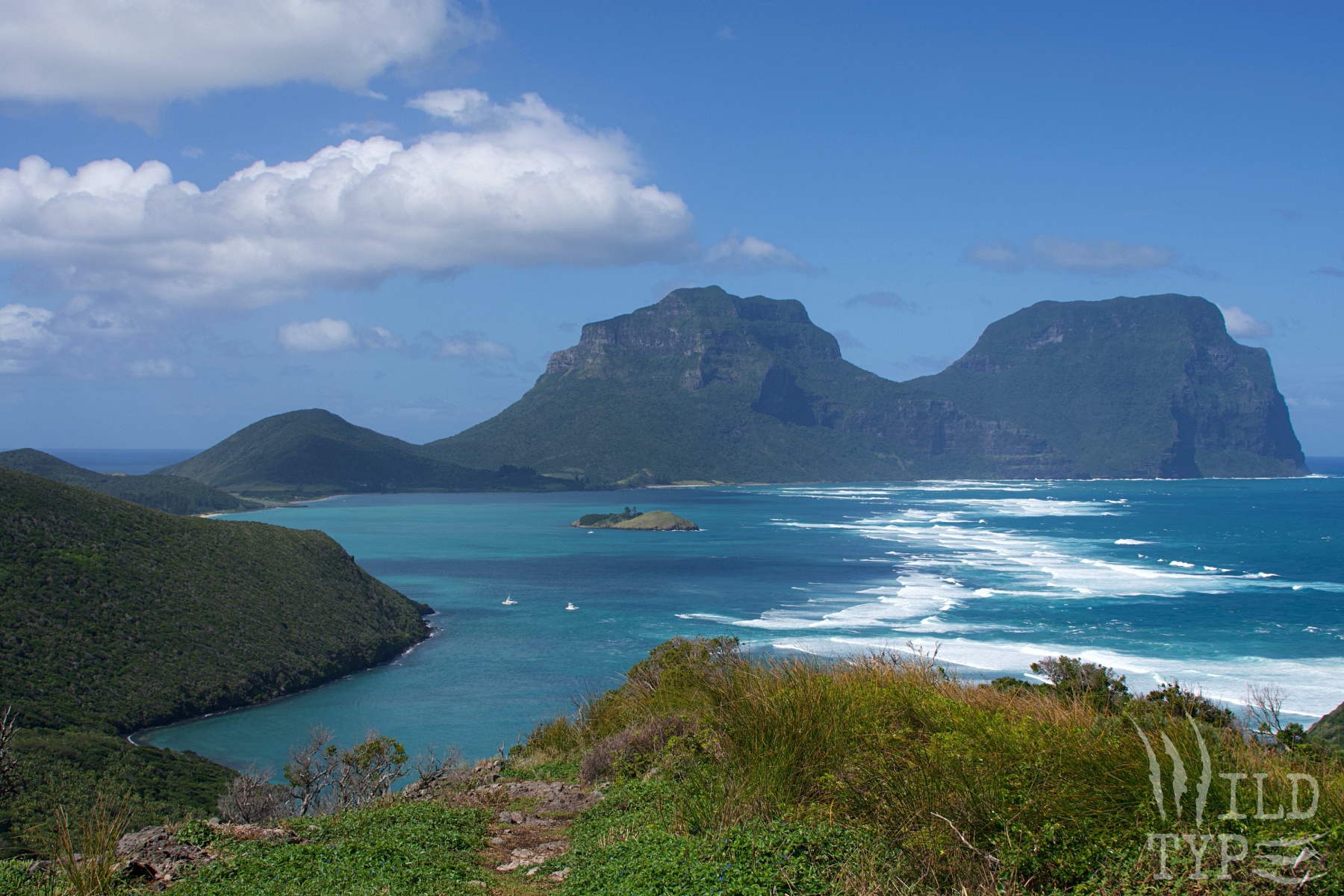
“If the weather holds, I’m going to climb you,” I murmured to the blunt peak. It did, but I didn’t. My adventures on LHI, much like my adventures in Australia, took an unexpected detour.
Rangers greeted us at the terminal. “Have you heard of myrtle rust?” one asked me, offering a brochure. I nodded grimly. The highly infectious plant fungus can devastate ecosystems. Identified on Lord Howe in February, attempts to control the outbreak had closed most of the island’s trails just weeks before our trip. Luckily the parks had re-opened in time, but decontamination measures remained to prevent the spread of spores. We sprayed our clothes and shoes with bio-alcohol before leaving the airport.
Our host drove us to our accommodation, although we probably could have walked. The whole island is only six miles long, and the human outpost—a few shops and restaurants nestled among the trees—occupies only a small patch on its northern half. Bikes are more common than cars. With a permanent population under 400, and simultaneous visitors capped at the same, LHI puts nature first. After urban Sydney, it felt like traveling a century back in time. Dad and I bought a few days’ groceries at the general store, goggling at prices twice the mainland rates (considering that everything has to travel 600+ kilometers to get there, it’s forgivable). Studying trail maps over dinner, we decided to start with Malabar Hill. If that proved achievable for 70-year-old knees, we would continue along the clifftops to Mt. Eliza.
Dawn brought drizzle, but we zipped up our jackets and went anyway. “It’s a rainforest, dammit,” I joked. “Embrace the biome!” A ranger greeted us at the trailhead with spray bottles for the decontamination ritual we would perform at every gate over the next few days. I grew to appreciate the mindful pause. It marked a transition between realms. Like any initiate entering sacred space, I first had to cleanse my soles.
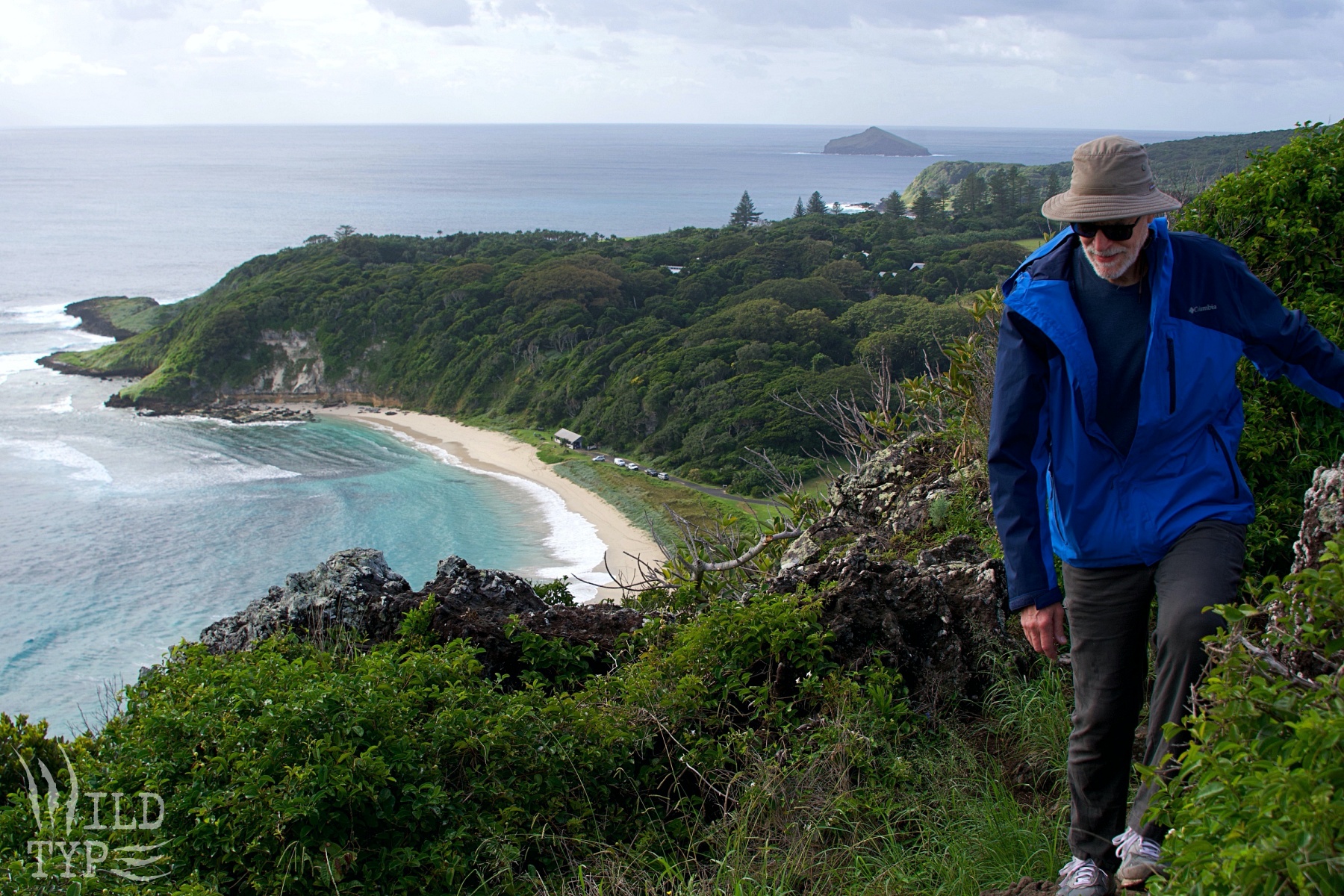
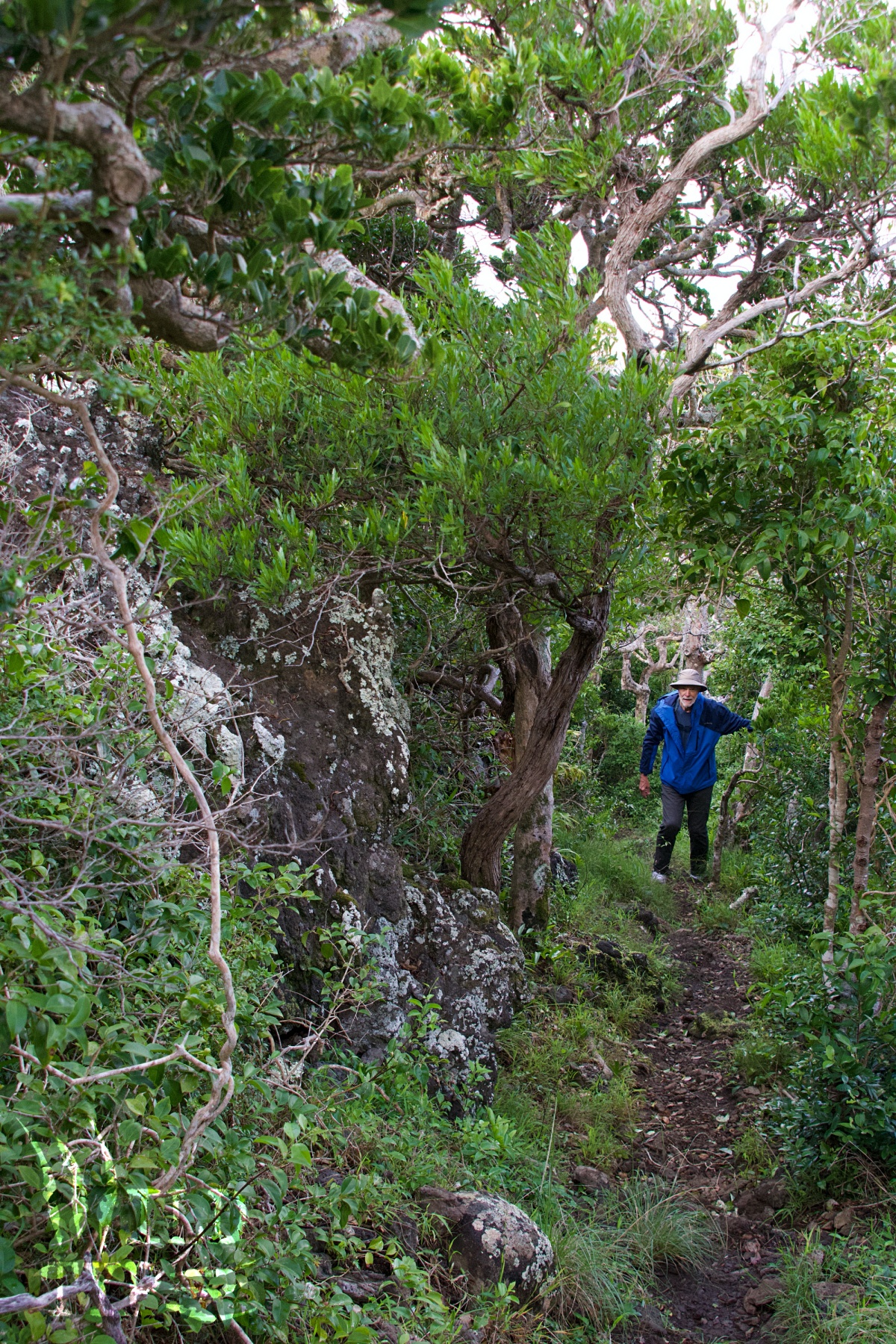
The windswept ridge did indeed lead us through an alternate ecological universe. “I feel like Bilbo in Mirkwood!” Dad exclaimed, ducking orb-spider webs strung across the narrow trail. Even tree branches are obstacles when you stand 6’6. Tall and brawny, my father towers both literally and figuratively in my childhood memories. Broad shoulders could carry stacks of library books and swing me skyward well into my teens. I credit my fast stride with needing to keep up with him from a young age. Now I was the one pausing every few hundred yards so he could catch up. Just as waves had carved the coastline of this island, illness had eroded some of his former strength. But not his spirit.
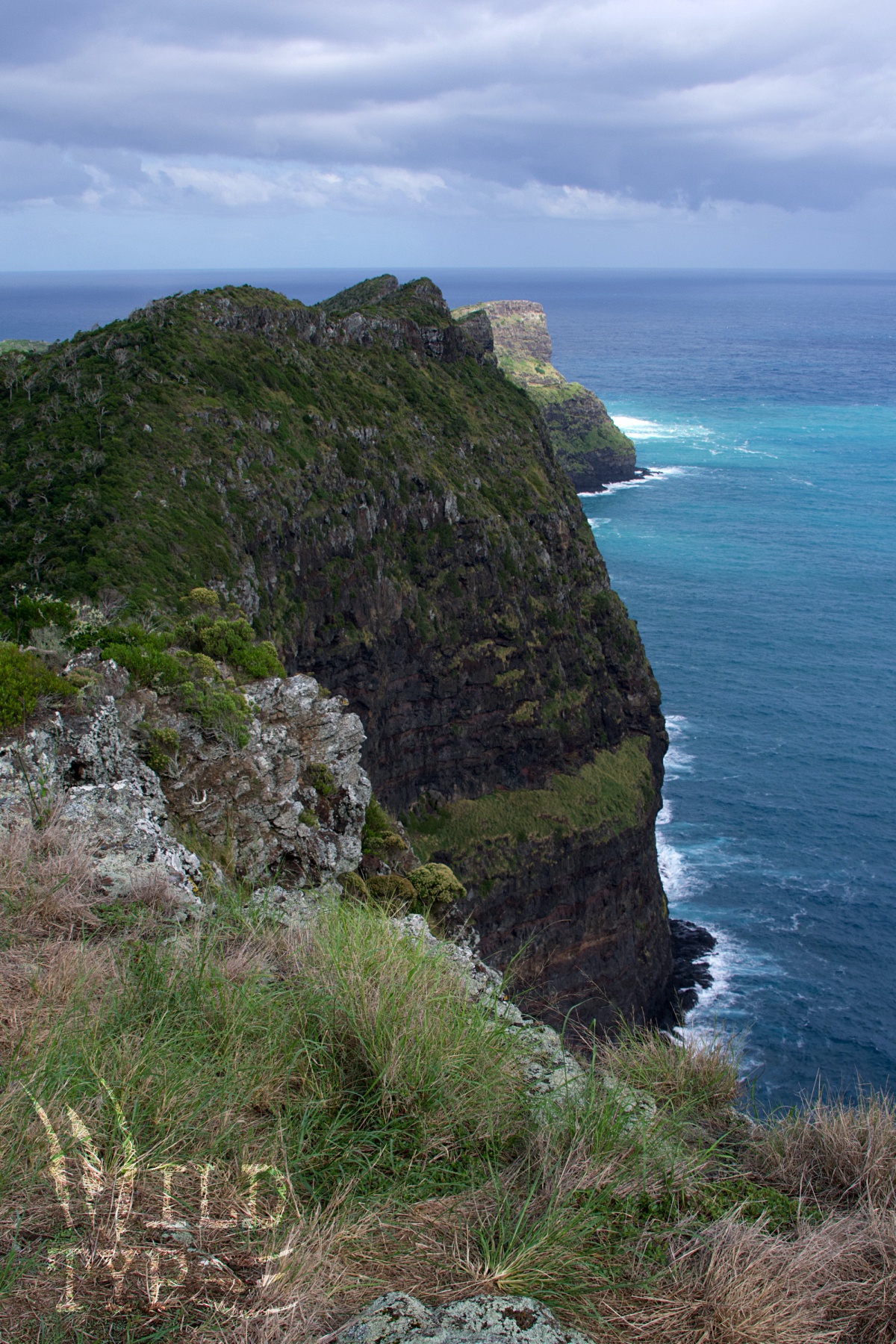
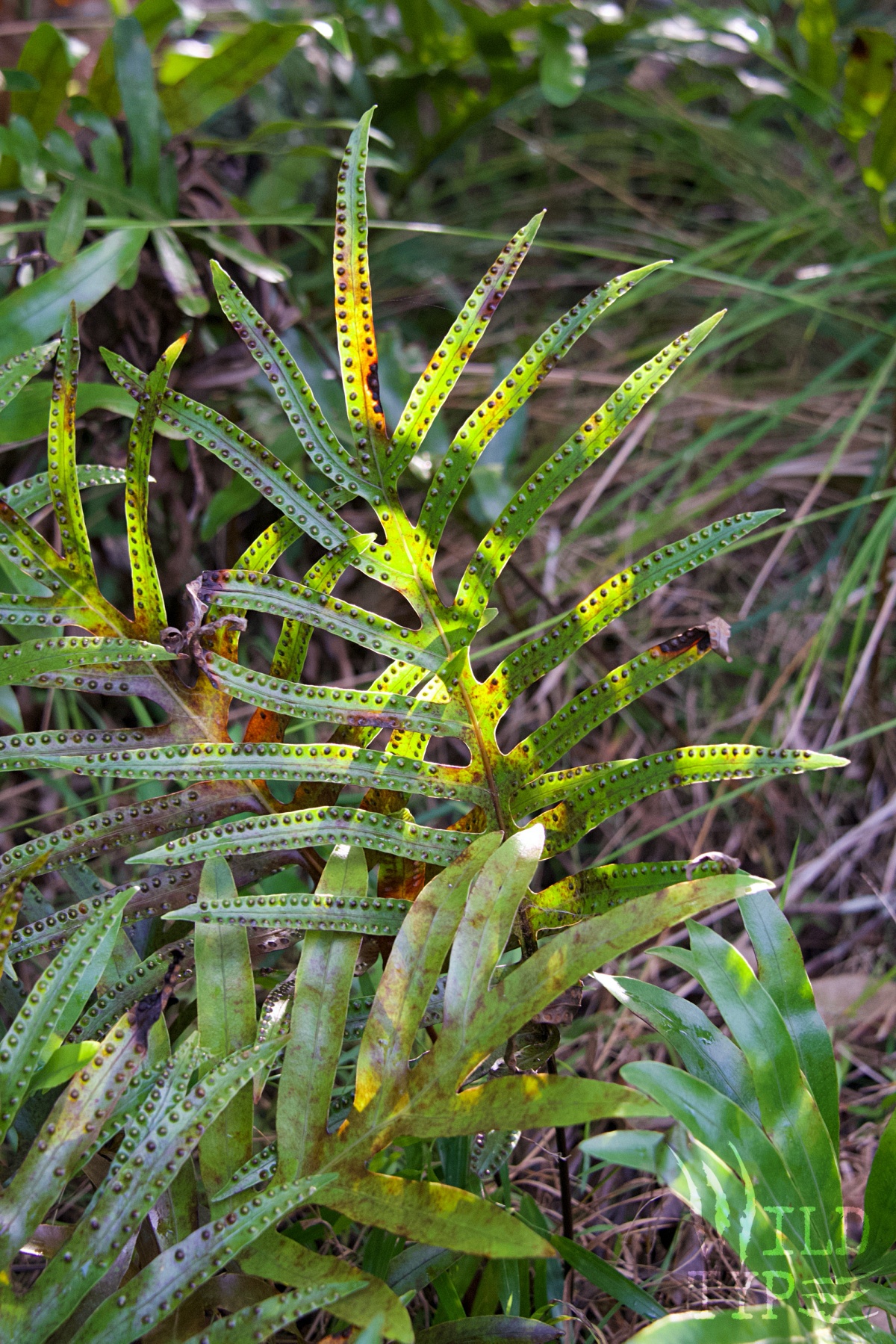
“Attenborough must’ve been airlifted up here,” he panted at the top of a rise. Yet he marched on with impressive stamina, navigating rugged terrain all the way to Mt. Eliza. And much like our dear Sir David, his sense of wonder shone more brightly than ever. We marveled at the lush flora, watched endangered Lord Howe woodhens forage in the bracken, and basked in summit sunshine when the morning clouds dispersed. A geological whippersnapper at seven million years old, LHI’s remote location has nonetheless enabled the evolution of unique creatures.
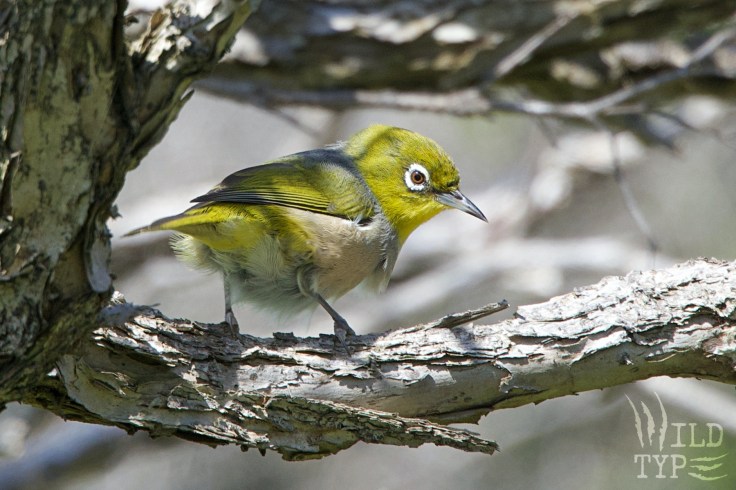
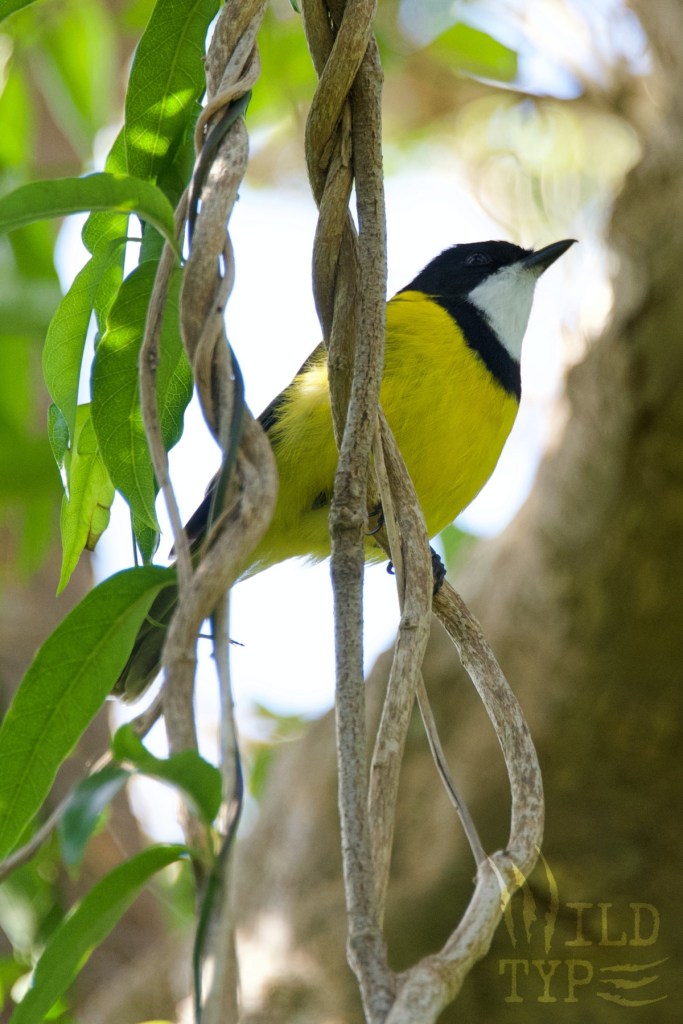
Almost half its plants are endemic. Local versions of familiar birds like the currawong, silvereye, and golden whistler are genetically distinct from their mainland relatives. The hand-sized LHI stick insect (more colorfully known as the tree lobster) was believed extinct for nearly a century before rediscovery in 2001. Introduced rats nearly exterminated many of these species, but an ambitious rodent eradication project from 2017-2021 allowed the natives to thrive once again. LHI’s conservation programs provide a terrific example of how humans can mitigate their environmental errors.


A resilient island seemed the perfect place to celebrate Dad conquering cancer. In late 2021, his MRI for back pain has revealed a malignant pancreatic tumor. The diagnosis shocked our family: he had no family history of cancer, took good care of himself, and had always enjoyed excellent health. Fortunately, the tumor was a rare variety that hadn’t yet metastasized. A Whipple procedure removed it, but left Dad in the hospital for weeks with post-surgical complications. Unsettled by the ward’s sterile quiet, he bought an album of rainforest sounds for a whisper of life.
COVID lockdowns in Australia prevented me from visiting, so I sent him travelogues of my local nature explorations. He wrote that my humble reports “lift[ed] me out of this drab band-aid box of a room to a place just two steps behind you, sharing the joy and excitement of your safari”. Eighteen months later, he was doing just that. He seemed to revel in even the imperfect experiences. A rainy walk? How rich the earth smells! Rough snorkeling conditions? What beautiful fish we saw in such a short swim! I myself am lamentably prone to grousing, so his delight provided a moving example for how to embrace life’s fullness.

Joints wearied more quickly than joy, however, so Dad even encouraged me to undertake the notorious ascent of Mt. Gower without him. In the interest of protecting sensitive ecosystems, the only way to climb is with a licensed guide. Group tours scheduled 9 hours for a mere 14km round trip. I shuddered at the thought of a day spent with strangers in inappropriate footwear, whining about sore legs and stopping every ten meters for selfies. Rather than ditch Dad all day, I chose instead to hike up adjacent Mt. Lidgbird, which was reportedly just as challenging and could be done solo.
Dad walked me to the trailhead, where I made friendly small talk with the ranger who sprayed me down. “Thanks for being so cooperative,” she said, waving me off. I pondered the remark as I strolled away through a grassy field where a few cows grazed. Why on Earth would I not cooperate with simple, noninvasive measures to protect this incredible place? I’m not entitled to traverse these ecosystems—I’m a biological intruder, who could destroy entire life webs with irresponsible behavior. It seems like a no-brainer to me, yet humans opt for selfishness all the time.
Maybe they’d have more respect for the wild if they climbed to Goat House Cave! Gnarled roots offered footholds in the mud. Palm fronds skimmed my cheek. Even my well-conditioned quads burned as the jungle track snaked steeply uphill. When it turned vertical, I got an unexpected upper-body break, hauling myself up guide ropes strung around the trees. Shearwaters’ howling cries filtered through the canopy. I’d howl, too, if my chicks were dying. LHI provides a breeding haven for many migratory seabirds, including the rare providence petrel. But ocean pollution is putting these species in jeopardy. Last autumn, rangers found many fledglings dead from malnutrition: so much plastic junk filled their guts that there was no room for real food. Even survivors may suffer long-term consequences. A study of Lord Howe’s seabirds, published just weeks before my visit, classified a new disease: plasticosis, repeated damage from plastic shards that causes internal scar tissue, impairing organ function.
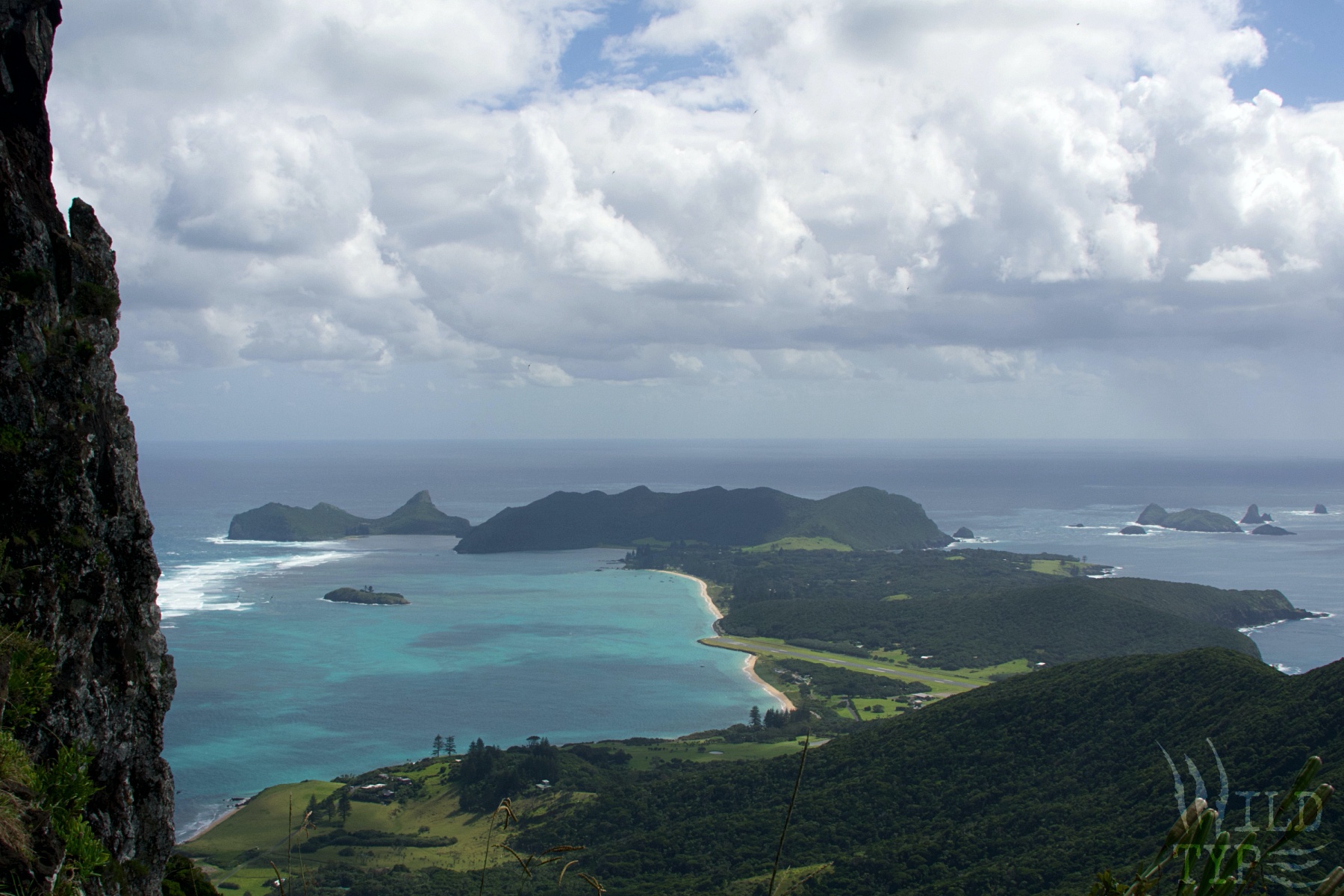
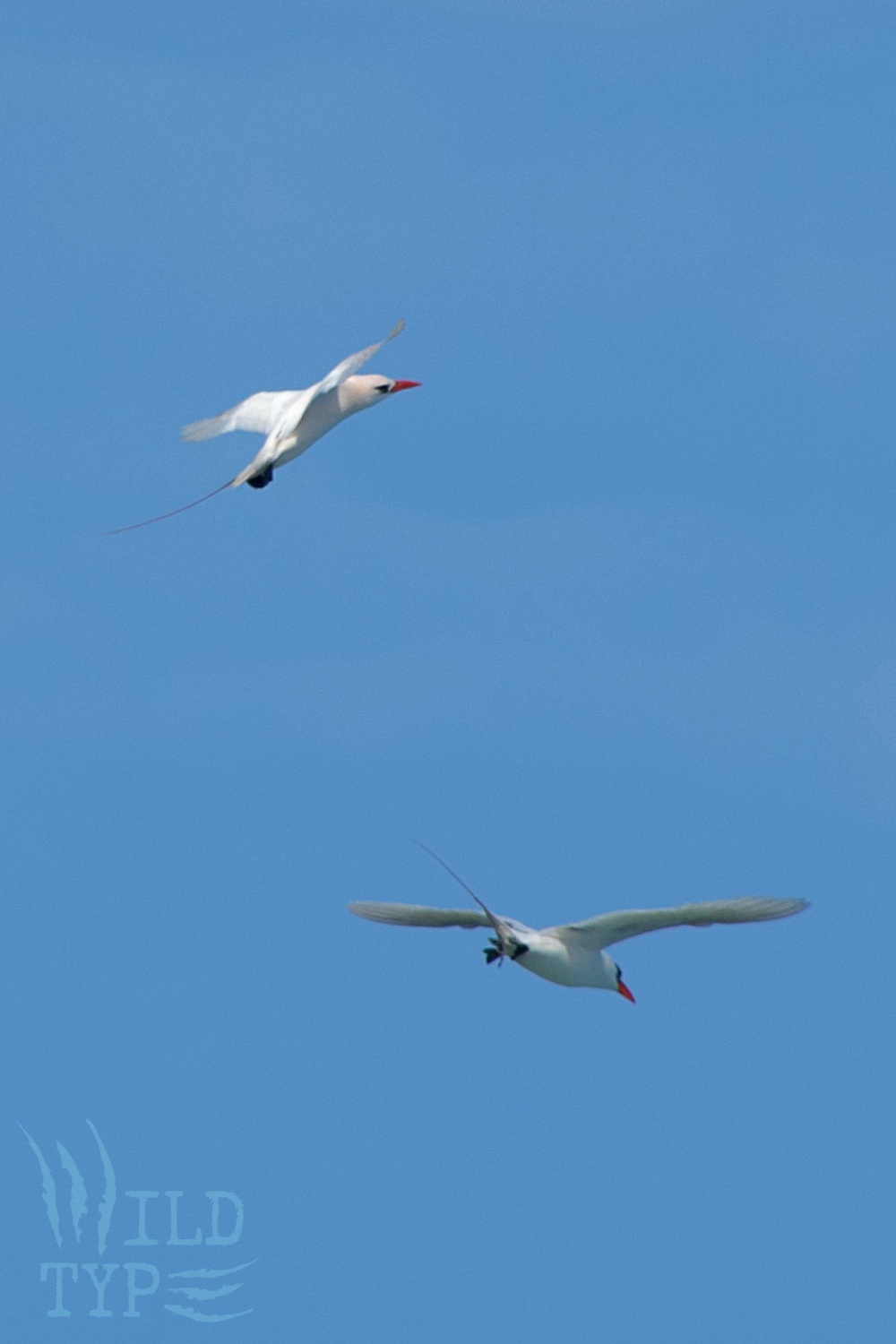
But the birds clearly haven’t given up on future generations. As I scrambled the last rocky meters to the cave, dozens of them wheeled overhead in elaborate courtship dances. Red-tailed tropicbirds turned weightless pirouettes, scarlet streamers brilliant against the blue sky. The petrels flew in sync with one partner for a few loops before switching places in an aerial quadrille. Around the cliffside, the rocky spire of Ball’s Pyramid jutted from the distant sea. How was I supposed to catch my breath from the climb when these views kept stealing it away? Alone with the birds, it was easy to imagine myself the only human inhabitant, like the heroine in Island of the Blue Dolphins, a book I’d loved as a child. The idea’s eerie thrill raised hairs on my summer-browned arms. I basked in solitude for half an hour, gazing across the island while breeze dried the sweat from my hair. There wouldn’t be any souvenir shirts for climbing this route, as there were for Mt. Gower, but I had no regrets about forsaking the main attraction for the road less taken.
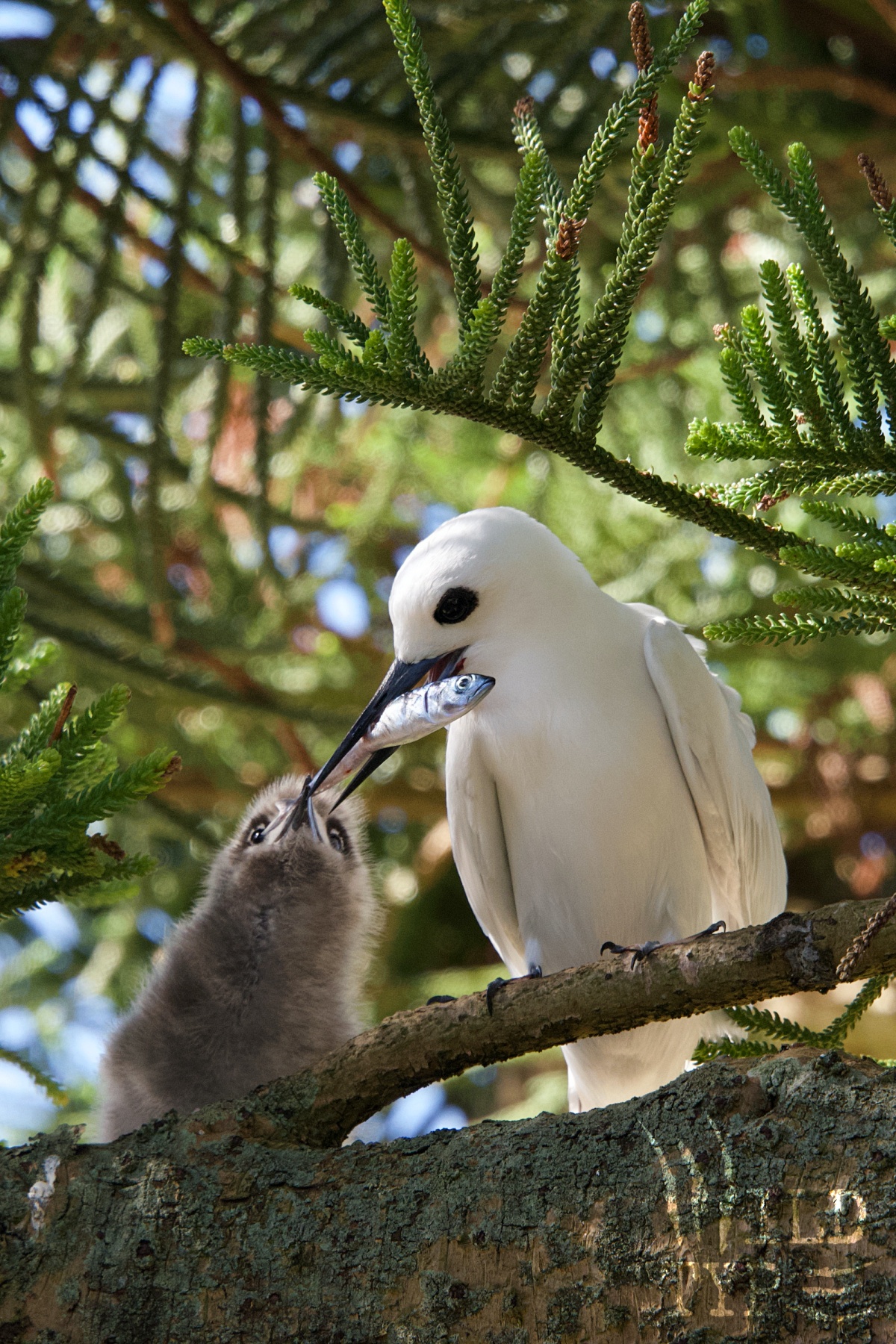
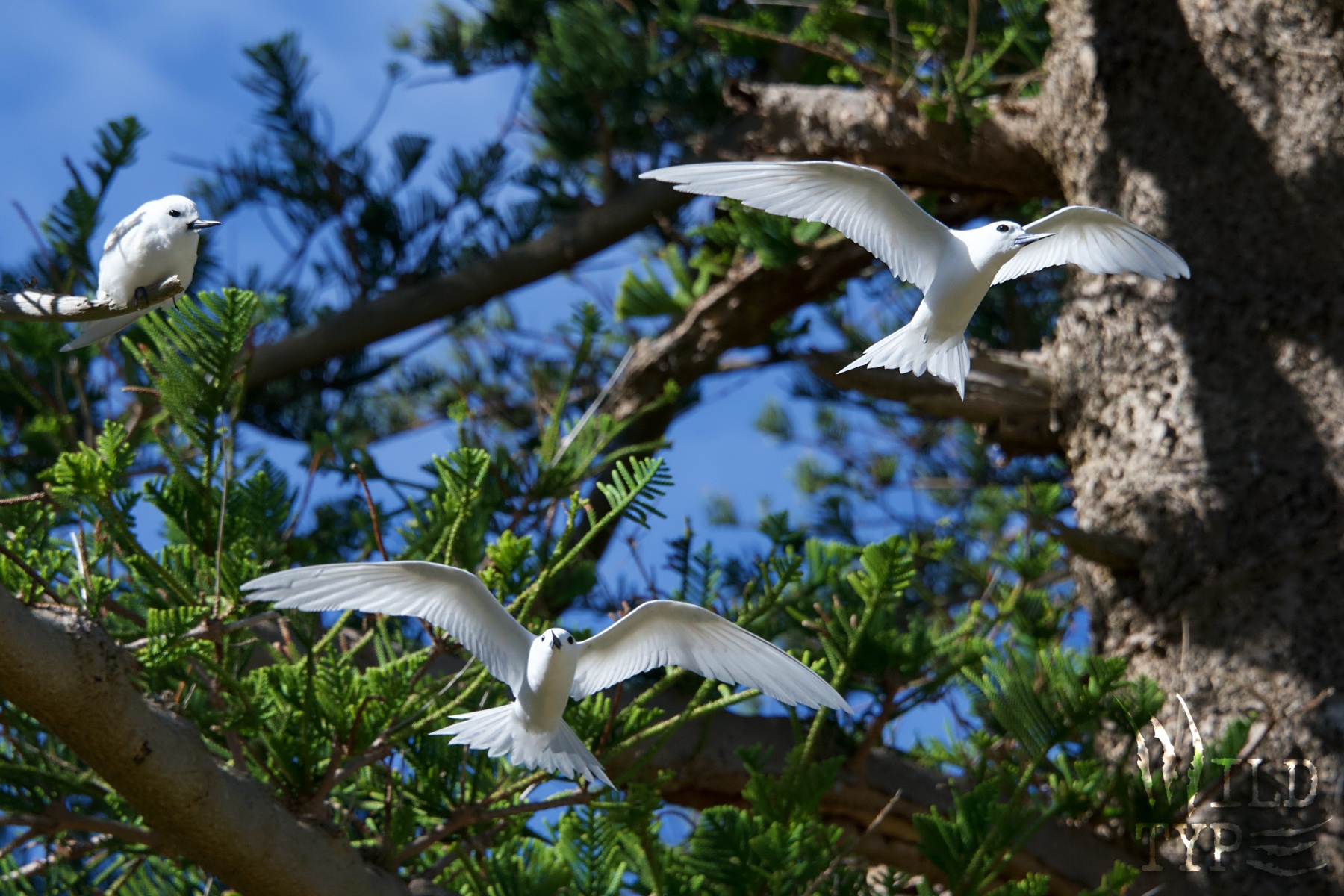
Especially because the shorter outing gave me an afternoon with Dad. We wandered among the historical markers in town and chuckled at the angel terns tending their chicks. One fluffball struggled swallow two fish simultaneously, so its parent patiently held the second serving until the first went down. A few trees over, mama and papa performed flight demos in front of their teenager, who sulked uninterested on its branch. Unlike most mammalian fathers, the average bird dad invests a lot in his kids. Watching the feathered family dramas with my own dad made me smile. I bet there were times he wished he could toss me out of the nest after one season! But nearly 40 years into the effort, he still exemplifies an avian dedication to his offspring.
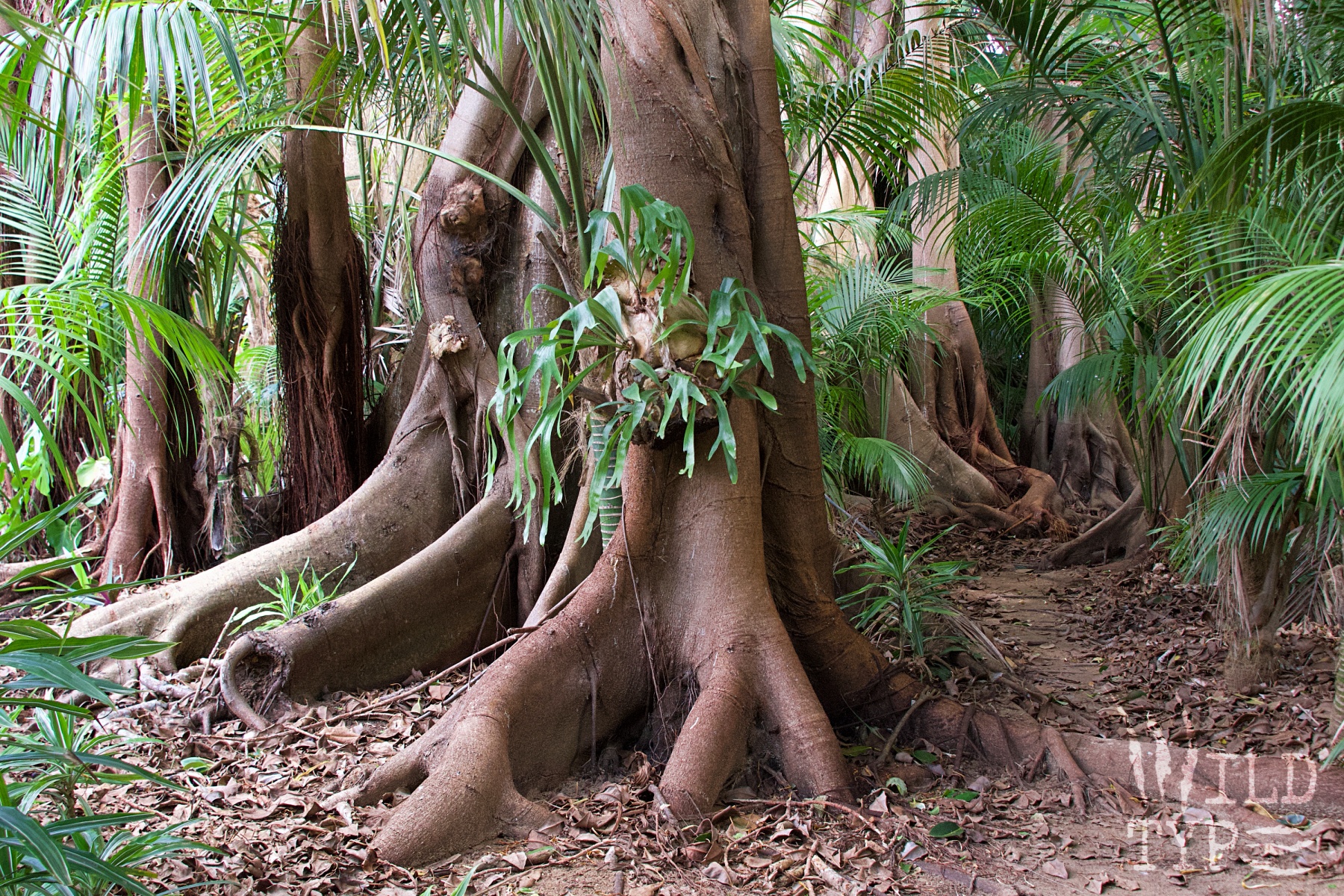
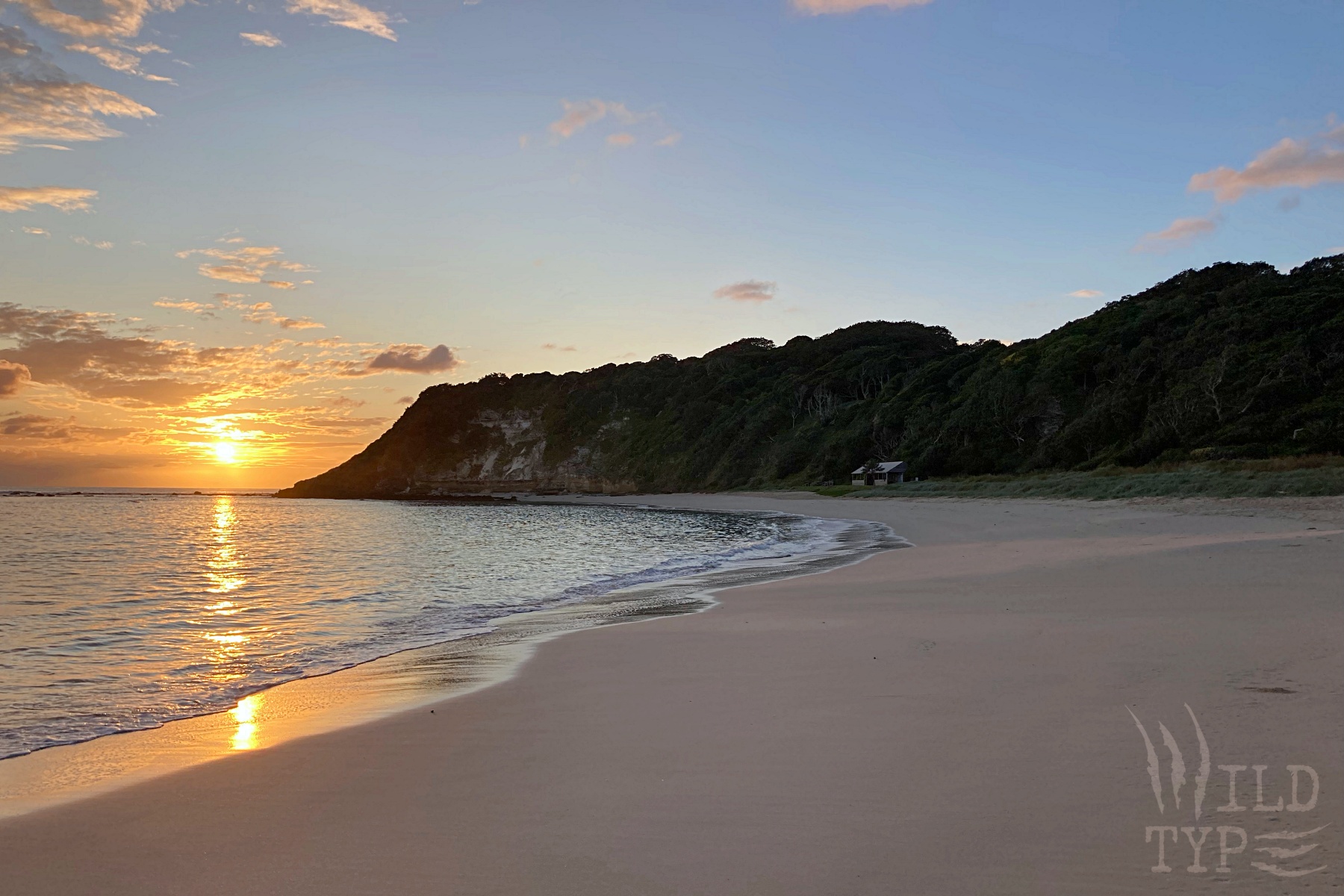
At sunset, we headed to Ned’s Beach in hopes of catching the shearwater spectacle. Dusk turned the forest into a spooky obstacle course of buttress roots. Escaping onto the open sand, we sat atop a picnic table and waited. We’d expected thousands of birds swarming in to roost en masse. But only a few wings streaked the ruby sky. Maybe last year’s plastic-pocalypse had taken a toll on the population. I hope they recover as robustly as Dad did. As a science fiction character once remarked about another, fictitious island ecosystem, “life finds a way”. A few days on LHI showed me just how resilient organisms can be. No natural phenomenon could be more meaningful than sitting with my father, alive and well, to watch the first stars emerge from the dark.
 Wild Type