I crawled from my tent and stared at the ice wall along the northern horizon. It looked like something from a fantasy novel, the bulwark of some legendary polar kingdom. No escalade could scale these battlements: the shimmering bastion was a superior mirage, reflected from the Beaufort Sea eleven miles away. And this was no fairyland, although I’d long ascribed a mythic quality to the Arctic National Wildlife Refuge.
Few people venture into this remote northeastern corner of Alaska. Isolated behind the Brooks Range and inaccessible by road, ANWR’s almost 20 million acres creates an ecological sanctuary…and a constant battleground over resources. With November’s presidential election threatening new degradation of America’s wild places, I determined to experience ANWR while I could. So I joined a wildlife photography expedition to witness its most famous phenomenon: the annual caribou migration.
CHASING CARIBOU
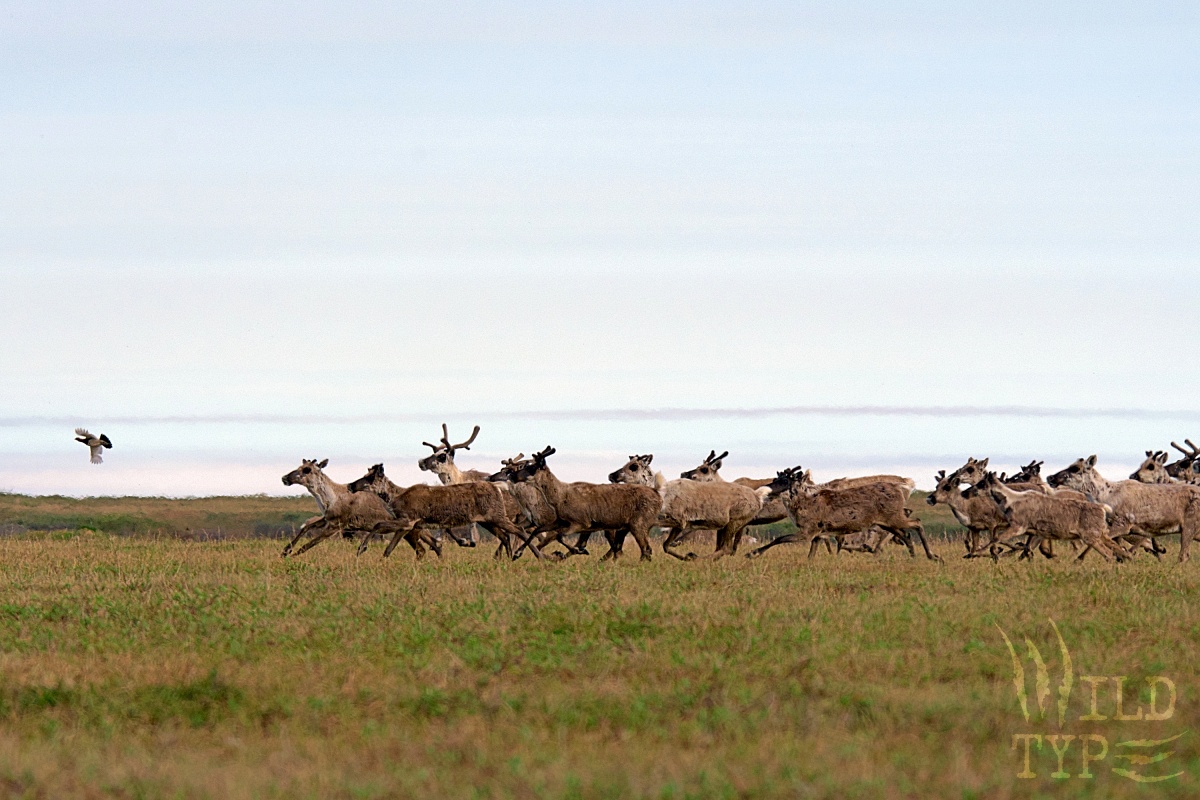
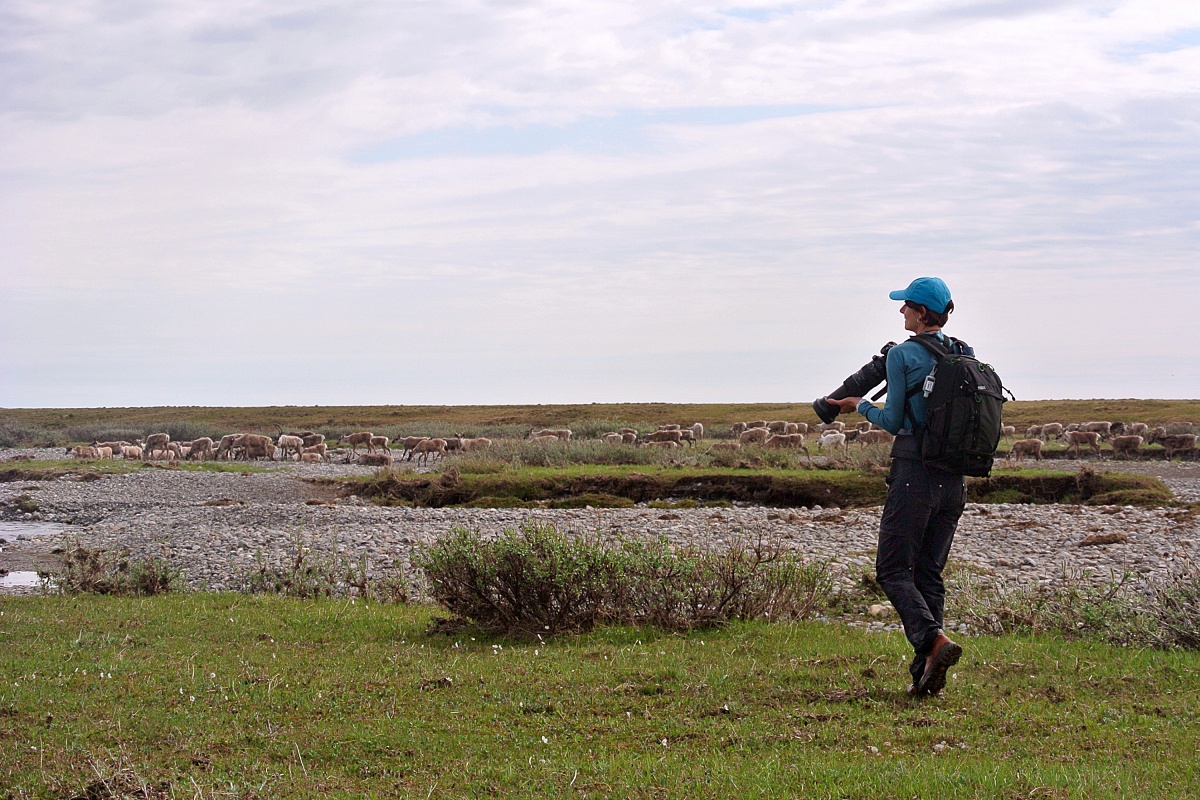
Arriving in ANWR felt like entering one of the nature documentaries that enchanted me as a child. An aerial view revealed irregular polygons that permafrost had carved into the tundra. Caribou speckled the landscape like scattered grains of brown rice. A small herd welcomed us right after we pitched camp on the Aichilik River delta. Cows, calves, and young bulls forded the gravel bar at a trot, antlers carving majestic silhouettes against the clouds. Their journey here made my own travel, scrunched in the back of a bush plane, seem like teleportation.
Barren-ground caribou travel more than 1,500 miles a year between seasonal territories in the longest land mammal migration on Earth. Generations of hooves have etched long tracks into the tundra, ley lines of a restless and primal energy. My companions and I followed these trails, awestruck at the estimated 50,000 caribou that surrounded us. Hummocks that twisted our ankles posed no challenge to ungulate feet. Herds flowed effortlessly across the uneven terrain, always moving into the wind to keep parasitic insects at bay.
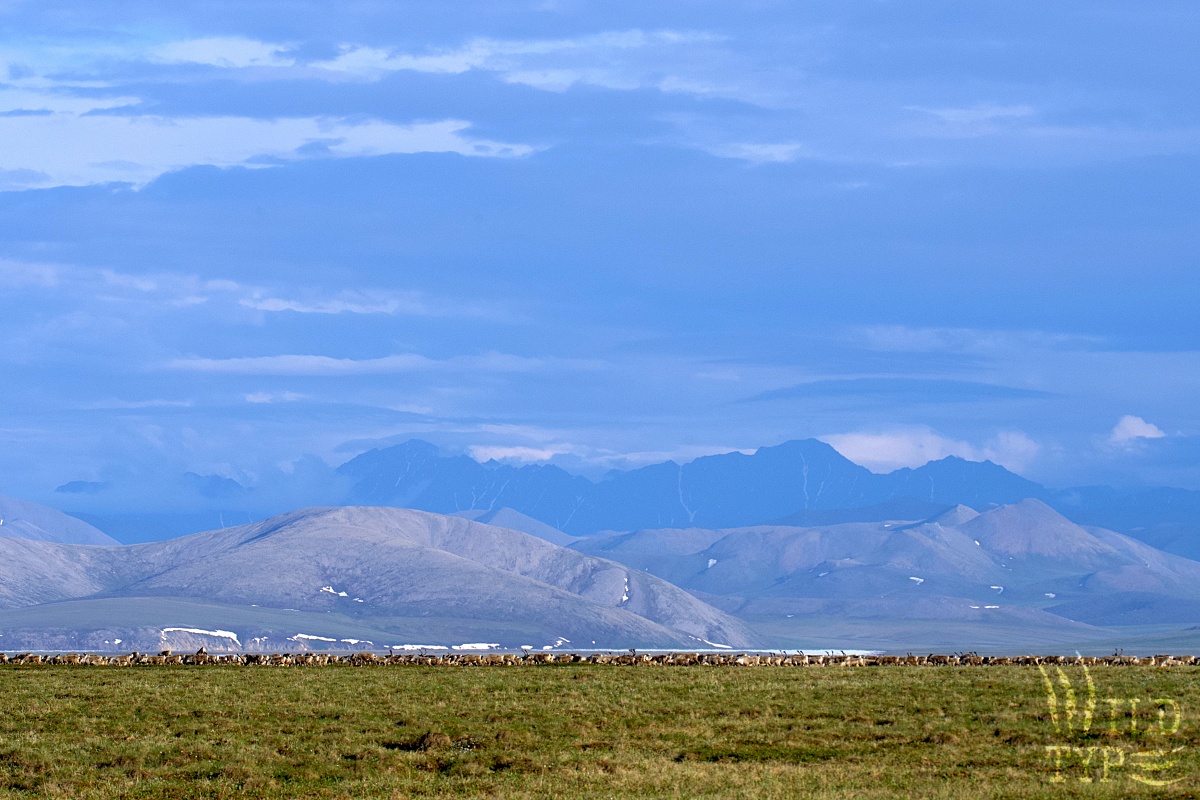


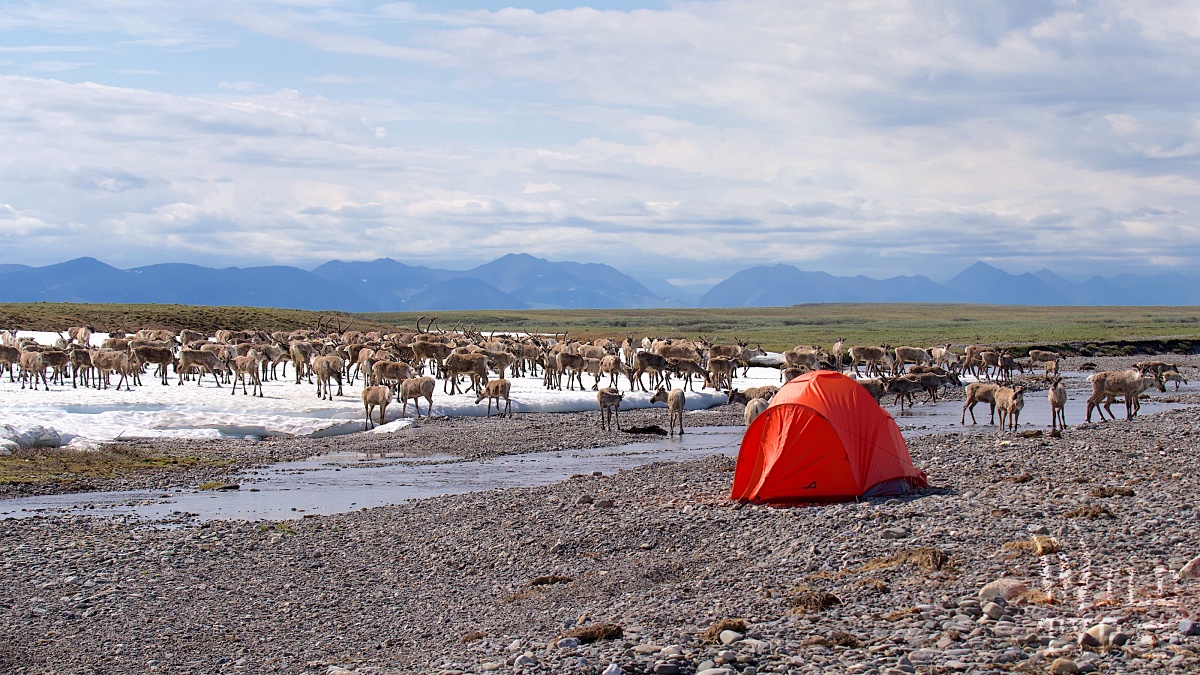
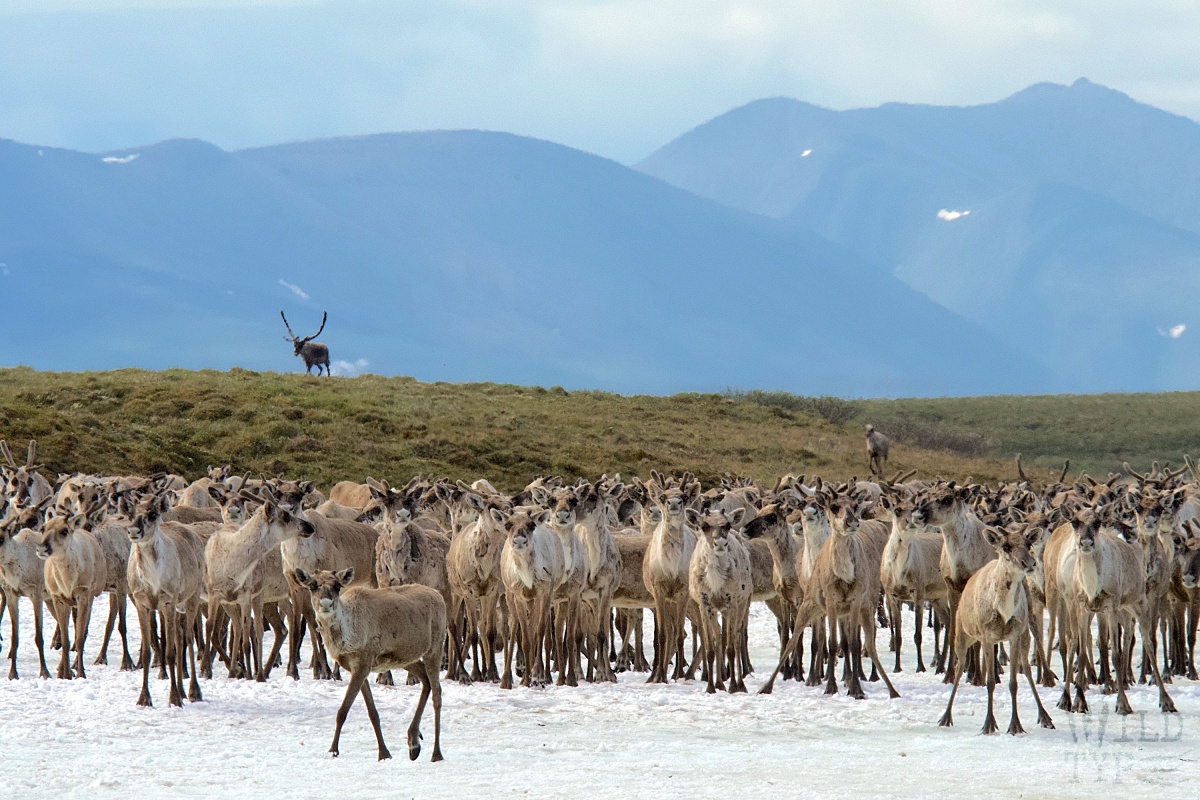
On several occasions, they paraded right through our camp. The gravel bar became a roaming forest of spindly legs and antlers. A few lay on the ice to escape the bugs, while others paused to graze in the willow thicket. Soft grunts and snorts played counterpoint to the animals’ clicking joints. Brushing my teeth beside the creek one night—or what passes for night in an enchanted realm where darkness never falls—I spotted a massive herd upriver. It was late, but time dissolves in this place where the phone doesn’t ring and the sun doesn’t set. I grabbed my camera and climbed the embankment. Caribou consumed the horizon, a restless mammalian river flowing in response to cues we humans still have not identified. Even the horde were specks against the mountains, which barely dented the vast Arctic sky.
“Magical” is too frivolous a word for such a spectacle. These were not sparkly unicorns, but hardy deer adapted for some of the harshest environments on Earth. A double-layered coat keeps them warm in subzero temperatures. Broad snowshoe-like feet let them walk atop snow. Caribou are the only mammals whose reflective eye layer (the tapetum lucidum) changes color with the seasons. It turns from gold to blue, possibly helping the animals spot tasty lichen in dim winter light. Scientists still haven’t identified the mechanism that enables caribou to navigate or communicate through their epic migration. Part of me relished the mystery of these phenomena. My amateur naturalist side, however, yearned to explore everything in this incredible biome.
BEARS, BIRDS, AND BOTANY
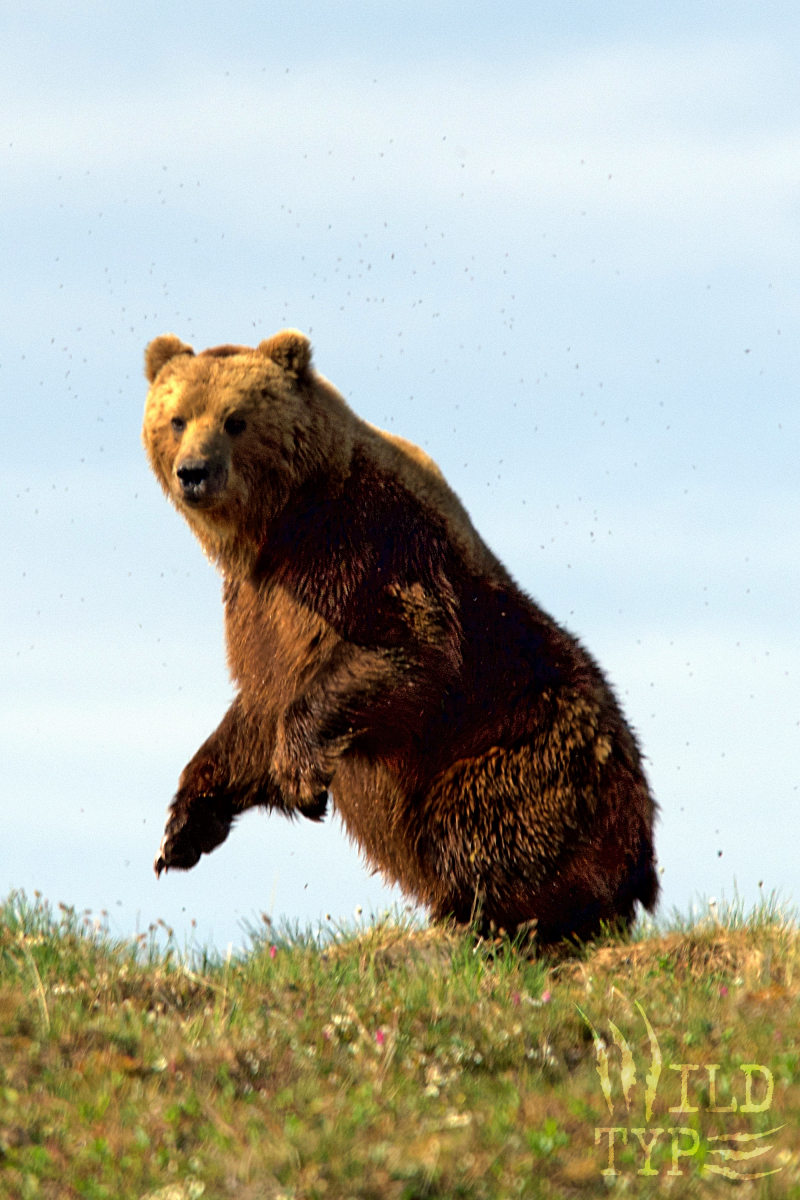
Caribou are far from the only creatures at home in ANWR. Tramping across the tundra, our guide pointed out signs of other animals: Arctic fox scat and a lemming’s winter den. Others were less subtle. Atop a bluff, we spied a distant grizzly bear ambling in our direction. He couldn’t perceive us downwind and obscured by topography. Rather than surprise the bear, we hurried back down over the stream we’d just crossed. Moments later the beast appeared on the ridge, in exactly the spot where we’d stood.
The bear stopped short. Sniffed the ground. Stood briefly on his hind legs to peer at the primates below. Then he pivoted 90 degrees and galloped away towards the mountains, bronze haunches rippling in the sun. “That’s exactly how you want to meet a bear,” she declared, sliding her hand off the can of bear spray at her hip. She judged the bear to be a male of extraordinary size for this latitude, where grizzlies subsist on prey like ground squirrels rather than fat salmon. The remarkable encounter left us giddy with excitement and relief.
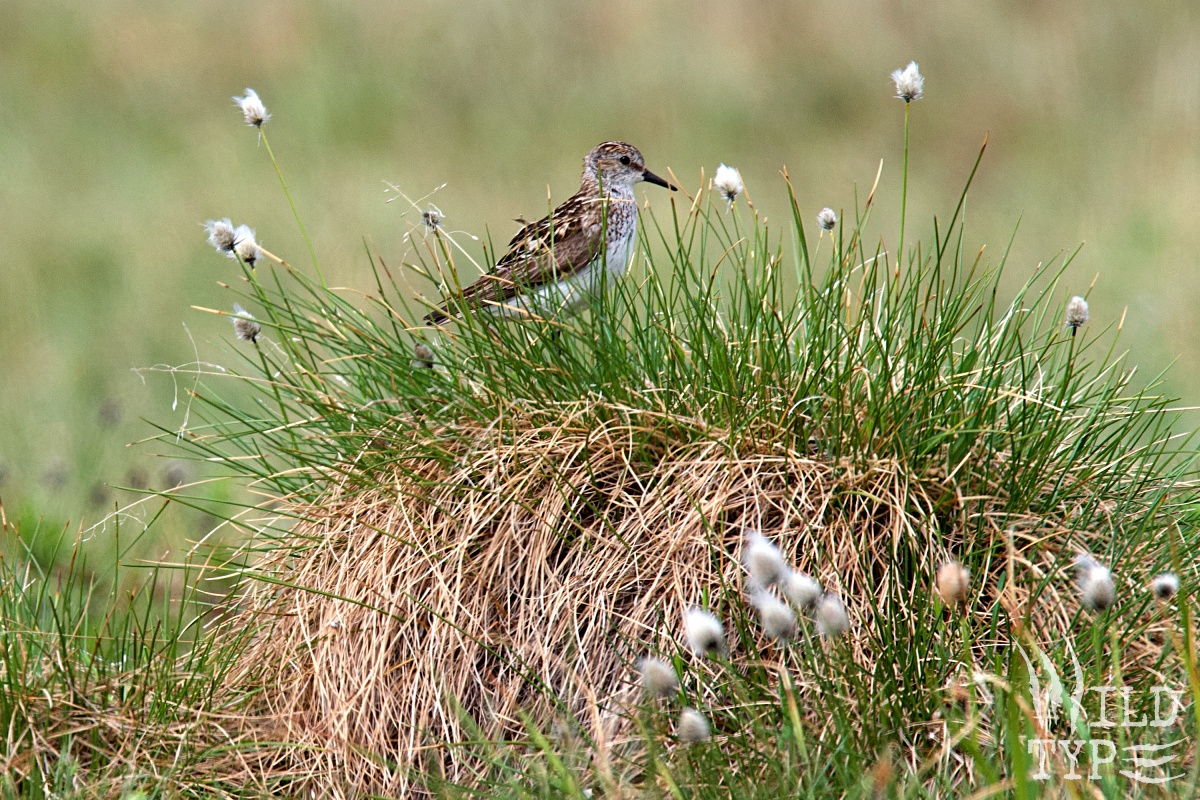


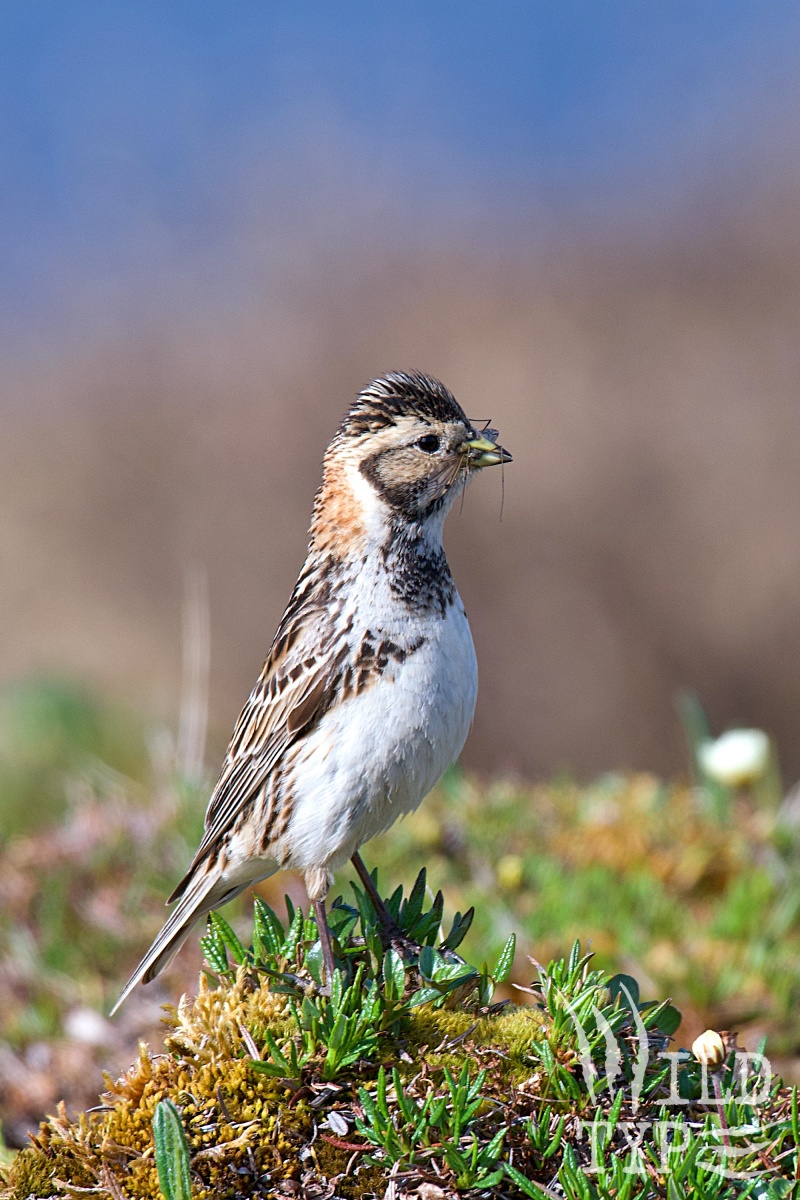
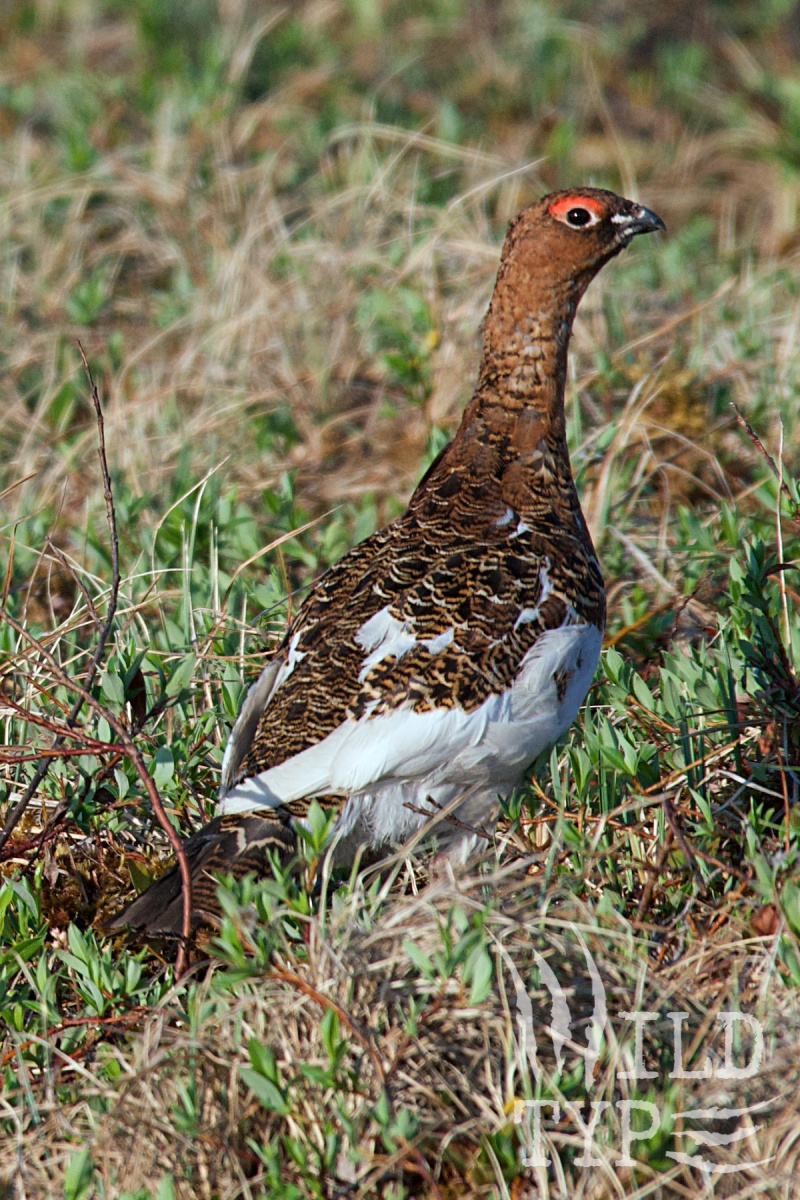
Winged wildlife made our hearts flutter for different reasons. More than 200 bird species from around the world rely on ANWR’s habitats. Located at the northern end of the Pacific Flyway migratory route, it’s a critical rest stop and breeding ground. Adorable Lapland longspurs hopped around the rocks near camp. Jaegers swooped over the gravel bar, and Sandhill crane’s eerie calls echoes over the tents while we slept. I stalked bevies of willow ptarmigan, which flushed at the slightest approach, scolding me with deep clucks. In the absence of Anchorage’s traffic and airplane noise, bird calls dominated the soundscape.
On one hike, we discovered a serene permafrost lake teeming with birds. A Red-throated loon swam serenely along the shore. Long-tailed ducks cruised one end, while a squadron of Red-necked phalaropes zigzagged overhead in breathtaking formations. Semipalmated sandpipers called to one another among the cottongrass. Buried in the grass, we found the empty cocoon of an Arctic woolly bear moth. Spending up to seven years as an juvenile instar, it weaves a silken sleeping bag to insulate itself in winter. It seemed incredible that insects could survive in such a variable environment (one day was so warm that I took a dip in the frigid river, and the next so chilly that I slept in a hat). Yet several types of bumblebees reside in the Arctic, and I was stunned to see a yellow swallowtail butterfly.
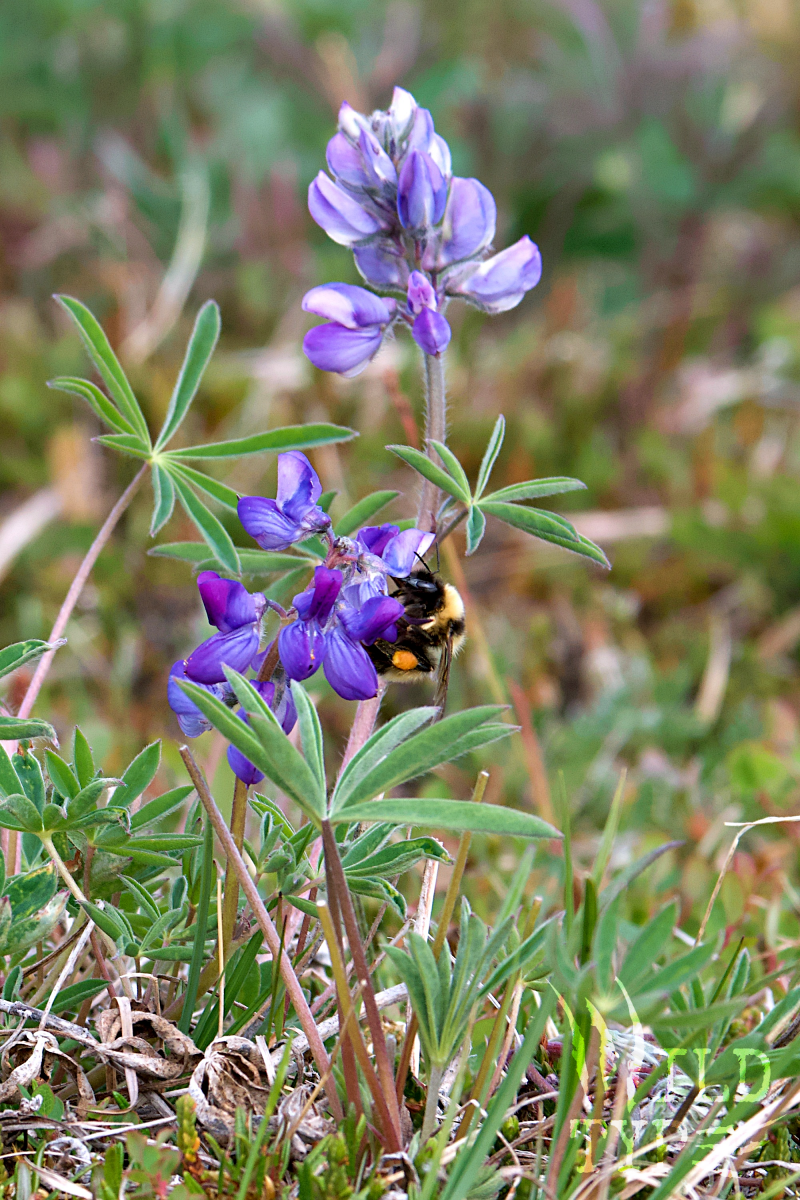
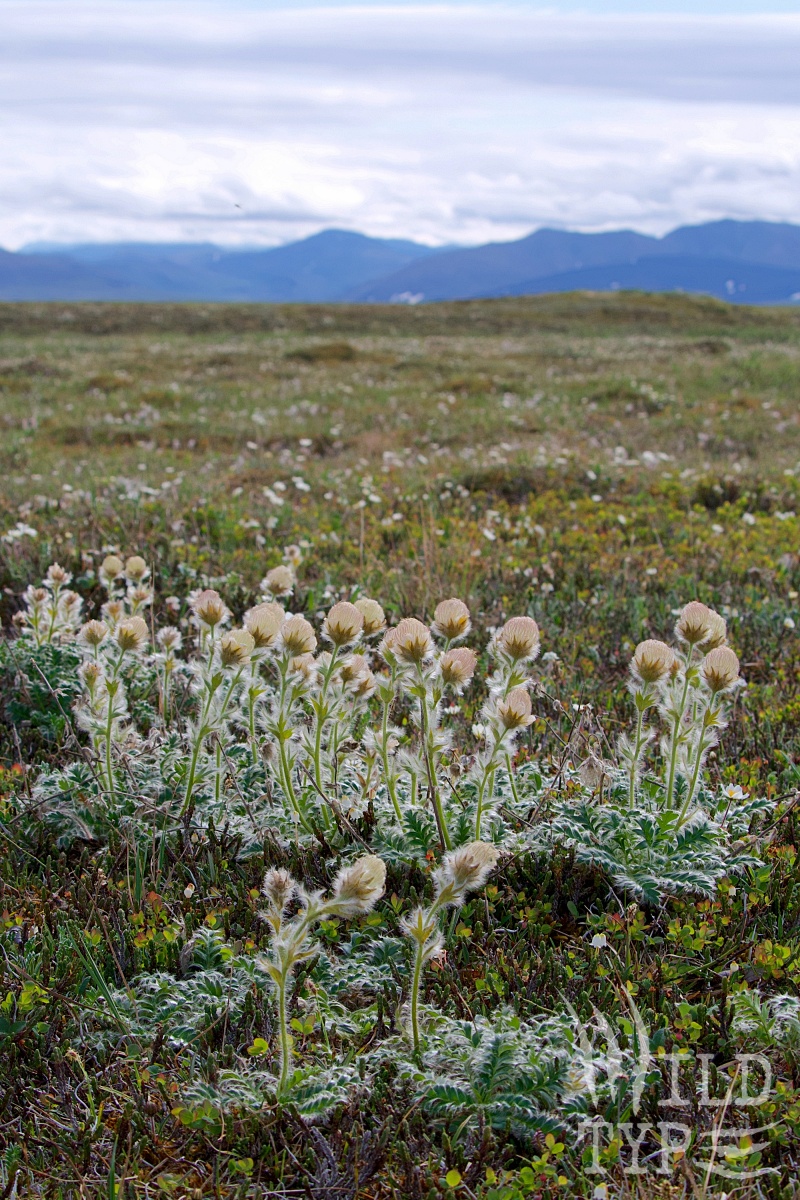

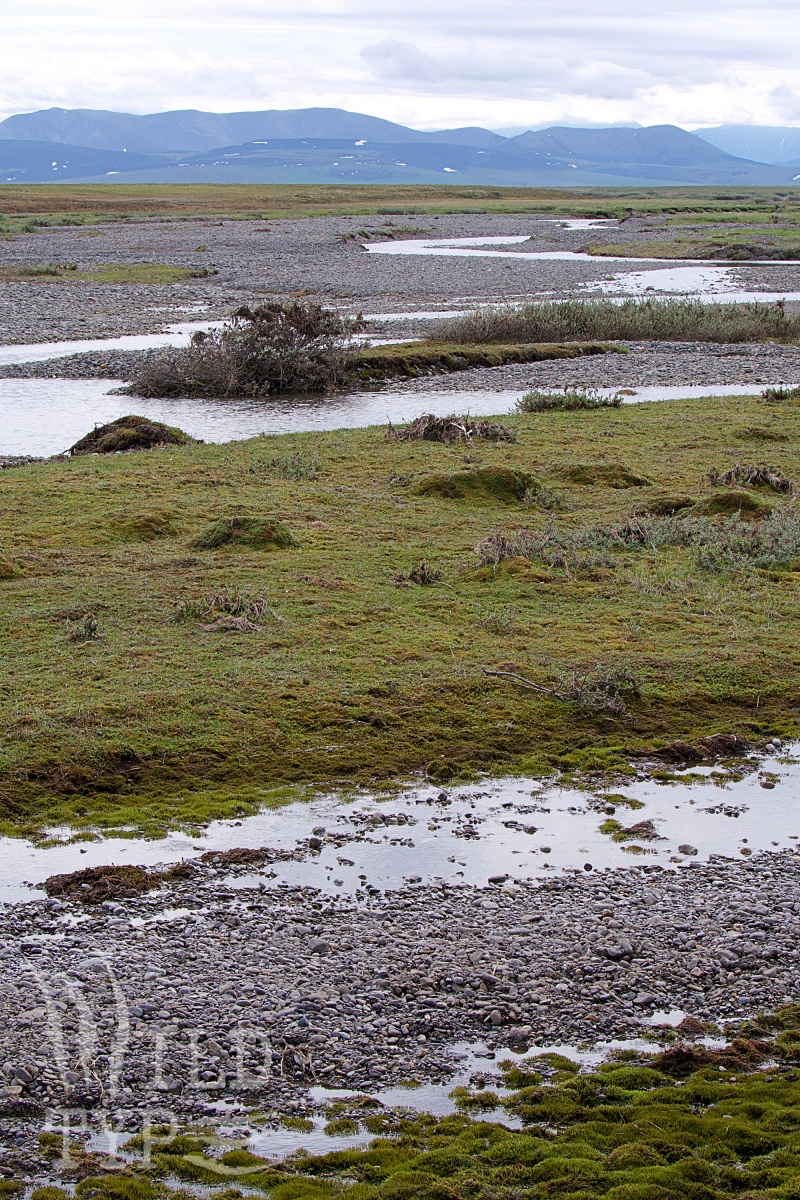
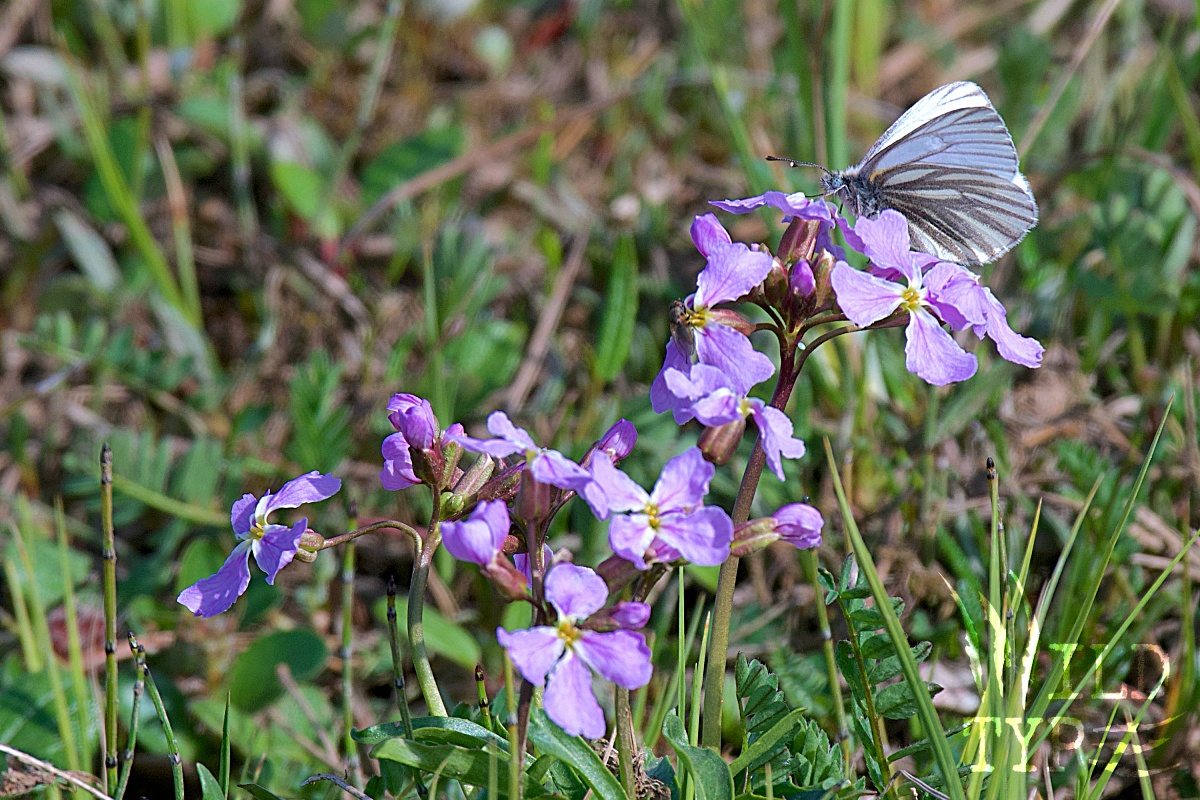
Arctic insects made more sense once I began noticing the flora. Although I came to ANWR for wildlife, the plants unexpectedly captivated me. Each tussock is its own microcosm. Slight elevation lets them emerge earlier from the snow, so their plants develop a few weeks ahead of those at ground level. Flowers jeweled the tundra. Purple-blue lupines scattered sky across the ground, while marsh marigolds brightened the boggy troughs. The furry leaves of glacier avens glowed in the sun. I particularly admired the pillowy moss campion, which can live for hundreds of years and maintains internal temperatures up to 10C higher than the ambient air. What appeared as empty green polygons from the air proved to be a rich and subtle ecosystem. It makes a liar of any oil-hungry charlatan who claims ANWR is a barren wasteland. But that myth and mania persist.
ANWR UNDER SIEGE
While I was running with the caribou, the State of Alaska filed a lawsuit against the Biden Administration for revenue lost from cancelled ANWR drilling leases. ANWR and its speculated oil reserves have stirred controversy since the 1970s. The best estimate of its recoverable oil is about 7 billion barrels, roughly equal to U.S. consumption in 2005. It hardly seems worth destroying an entire ecosystem for a year’s worth of fuel. Economic benefits would also be short-lived: a Department of Energy study concluded that OPEC could neutralize any price impact by limiting production elsewhere.
Enriching a few extraction-company executives would irreversibly impoverish America’s natural heritage. In addition to biodiversity, ANWR supports unique human traditions. Caribou are central to subsistence hunting for some Indigenous Alaskan communities. An Iñupiat elder told the Alaska State Board of Game in 2024 that “the grocery store is what comes walking by.” The native Gwich’in people refer to the coastal plain as Iizhik Gwats’an Gwandaii Goodlit: the “sacred place where life begins.” After just a few days there, I believe it deserves the name.
Even those of us without a cultural connection to the Arctic can appreciate one of Earth’s rare unspoiled places. Must we strip and subjugate every acre of the planet? Surely we can spare a small corner where vast migrations on hoof and wing converge in the gauzy glow of the midnight sun. If only the ice wall across the tundra were real! Besieged by human greed, ANWR’s caribou kingdom needs protection, lest its true riches dissolve like another mirage.
 Wild Type