Almost three million visitors flocked to Washington’s Olympic National Park in 2023, but the biome doesn’t stop at the park gates. The surrounding areas offer many lesser-known gems. On our recent trip to the Olympic Peninsula, my Laddie and I explored three local sanctuaries full of wonderful wildlife (and unlike many of the popular hikes, we didn’t have to drive an hour into the park just to reach the trailhead)!
Billy Frank Jr. Nisqually National Wildlife Refuge
Going from Alaskan winter to Washington spring in three hours felt like landing in Oz, a monochrome world suddenly rendered in dazzling technicolor. Once we’d escaped the tangled traffic around the Seattle-Tacoma airport, I was impatient to feel thawed ground under my feet again. I found a perfect opportunity just outside Washington’s capital city of Olympia, where the Nisqually River flows into Puget Sound. The delta creates a diverse array of habitats in a small area, protected within the Billy Frank Jr. Nisqually National Wildlife Refuge.
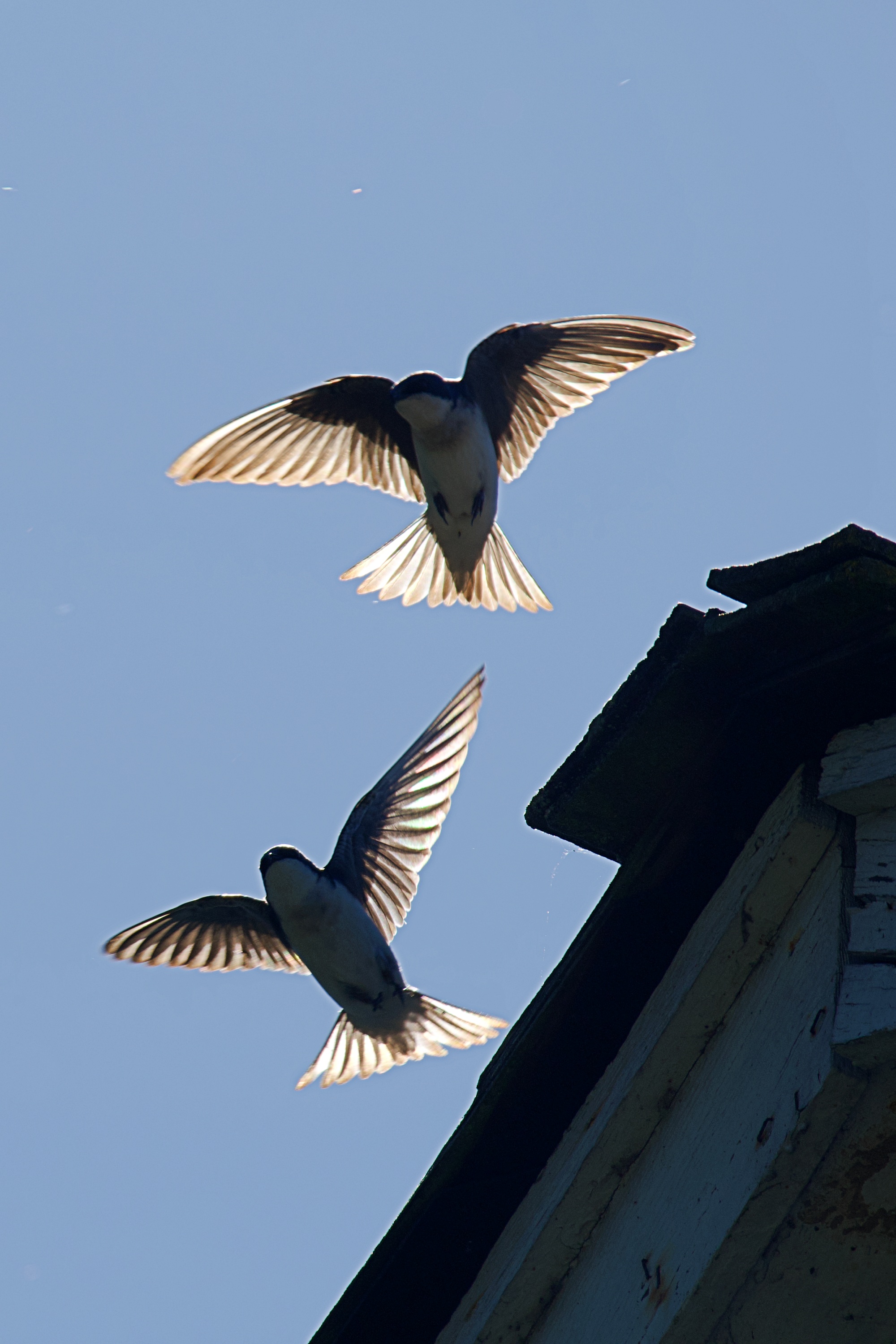
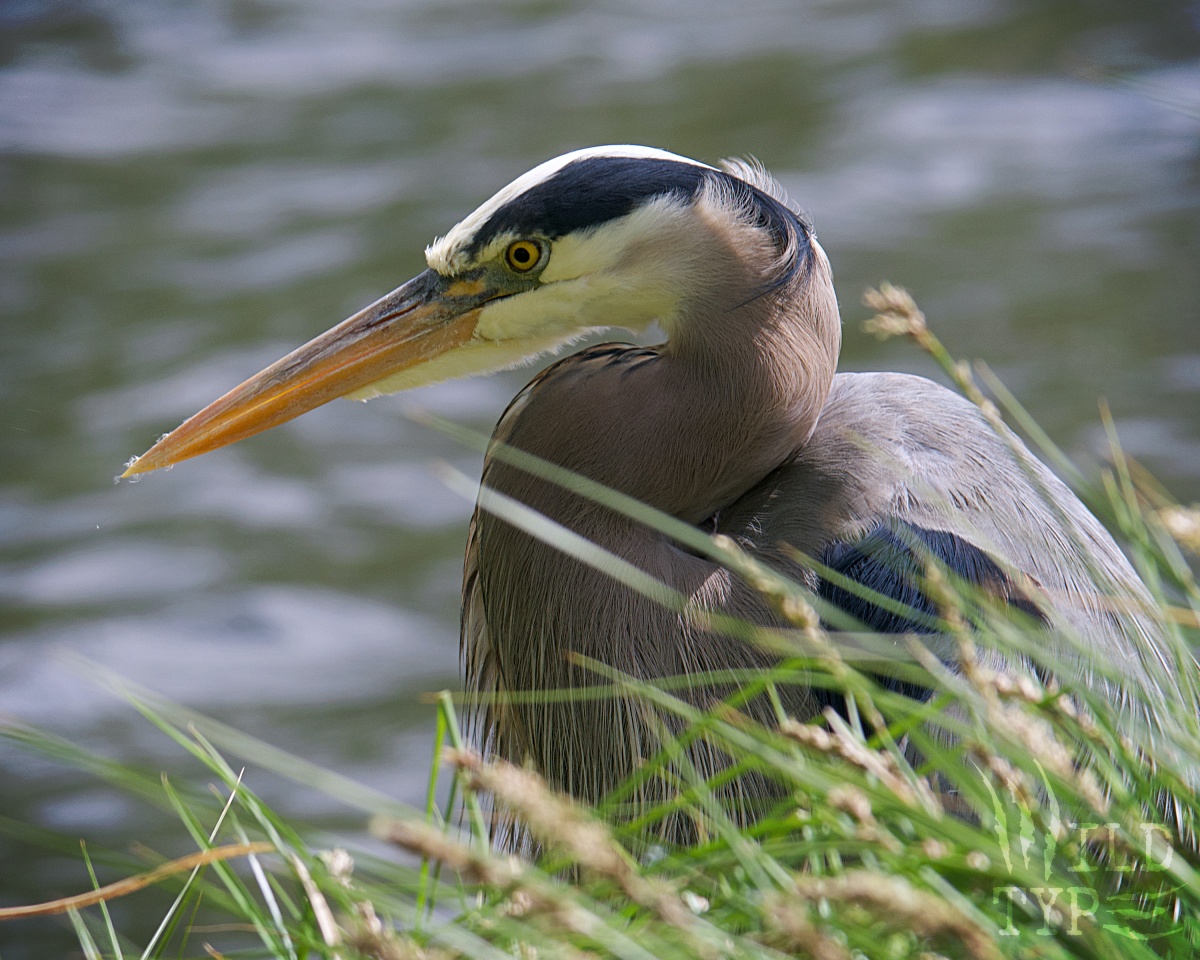
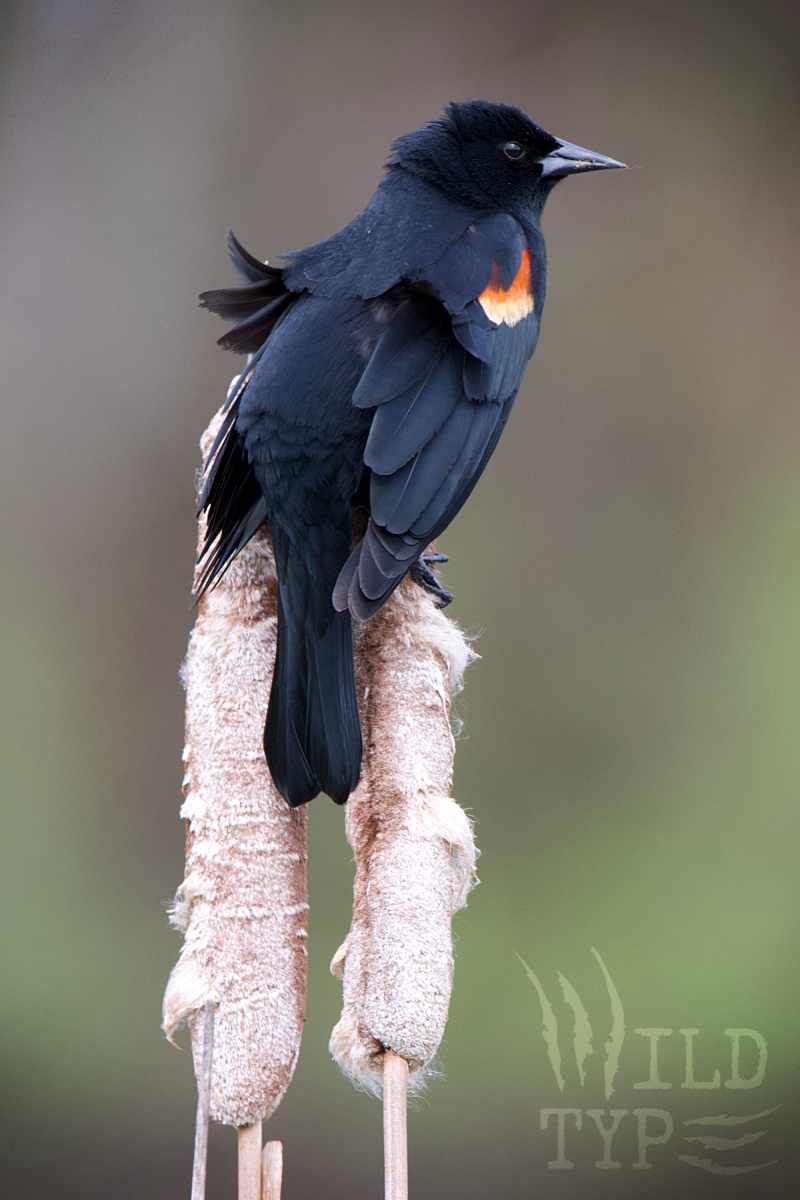
There might be only four miles of trails, but they cover a fantastic variety of habitat. A boardwalk from the carpark led through a forest verdant with fiddlehead ferns. After months of metallic snow smells, the fragrance of wisteria and grass almost sent my spirit whirling like the swallows around the old barns. Hundreds of geese foraged in an open wetland, long necks arcing up from the grass like tiny brontosauri. Red-winged blackbirds called from the rushes. Two raptors soared around the perimeter, looking for stragglers. A heron stalked the shoreline. What a magical space for wildlife tucked between two urban areas!
A winding mile-long boardwalk ventured into the Nisqually River estuary, past shorebirds and sunning seals. Low tide exposed acres of carmine mud. Distant Mt Rainier wore a wreath of clouds. Landscapes must differ every day, based on the intersection of time and tide. I could walk here every day for a year and never be bored. Like this little marsh wren singing exuberantly from the reeds, the Billy Frank Jr. Nisqually National Wildlife Refuge packs a lot of personality into a small package.


Dungeness National Wildlife Refuge
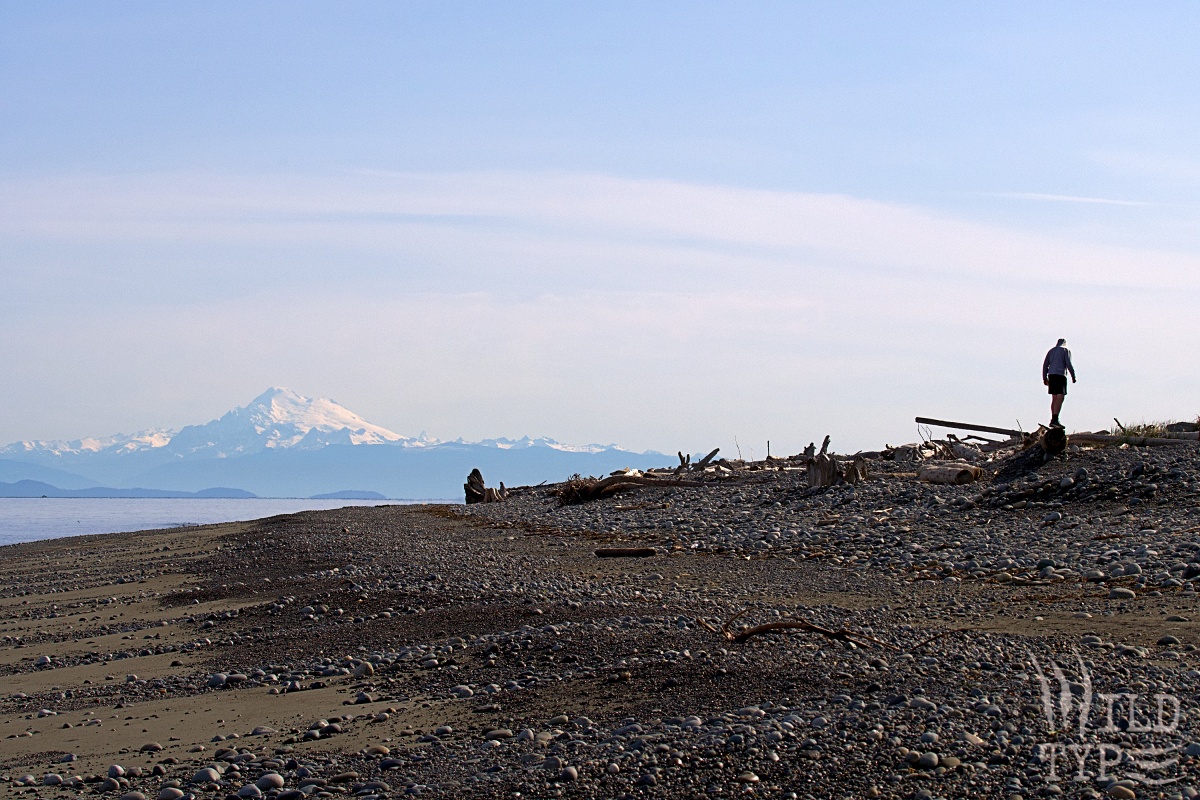
Jutting from Washington’s northern coast, Dungeness Spit is the longest natural sand spit in the United States. It reaches nearly seven miles into the Strait of Juan de Fuca, and grows by about 13 feet every year. The indigenous S’Klallam people called it Tsi-tsa-kwick; British naval captain George Vancouver visited in 1792 and dubbed it New Dungeness after a coastal feature in England. Whatever the humans name it, a rich ecosystem of marine life calls it home. Migrating shorebirds feast on its tideflats. Seals pup on the protected beach. Fish like salmon make nurseries in the eelgrass beds. President Woodrow Wilson designated the place a National Wildlife Refuge in 1915.
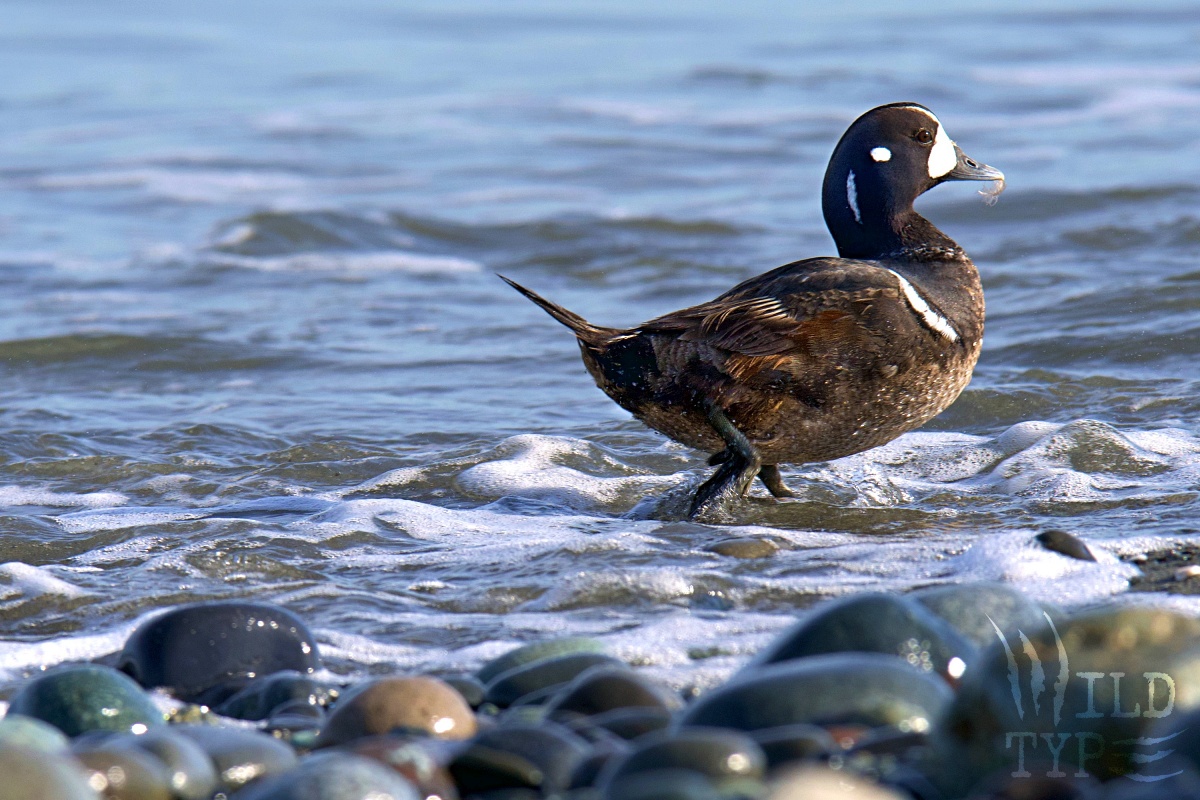
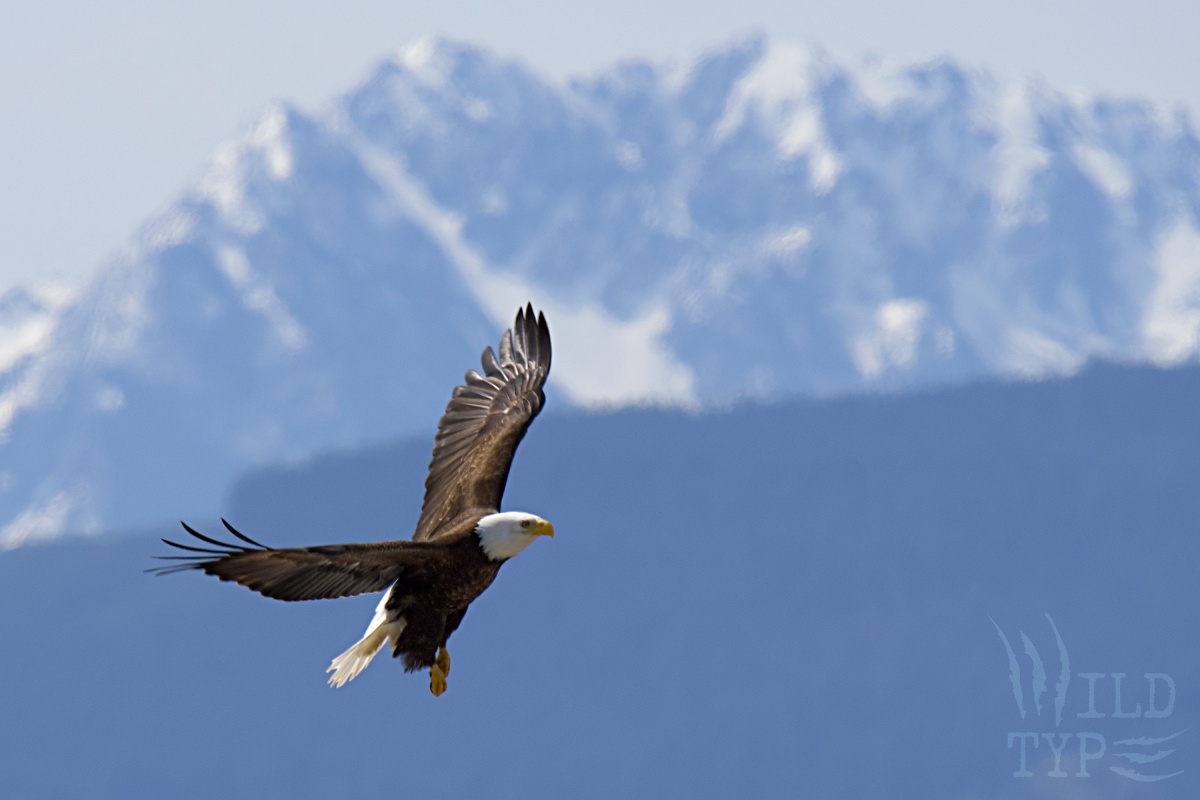
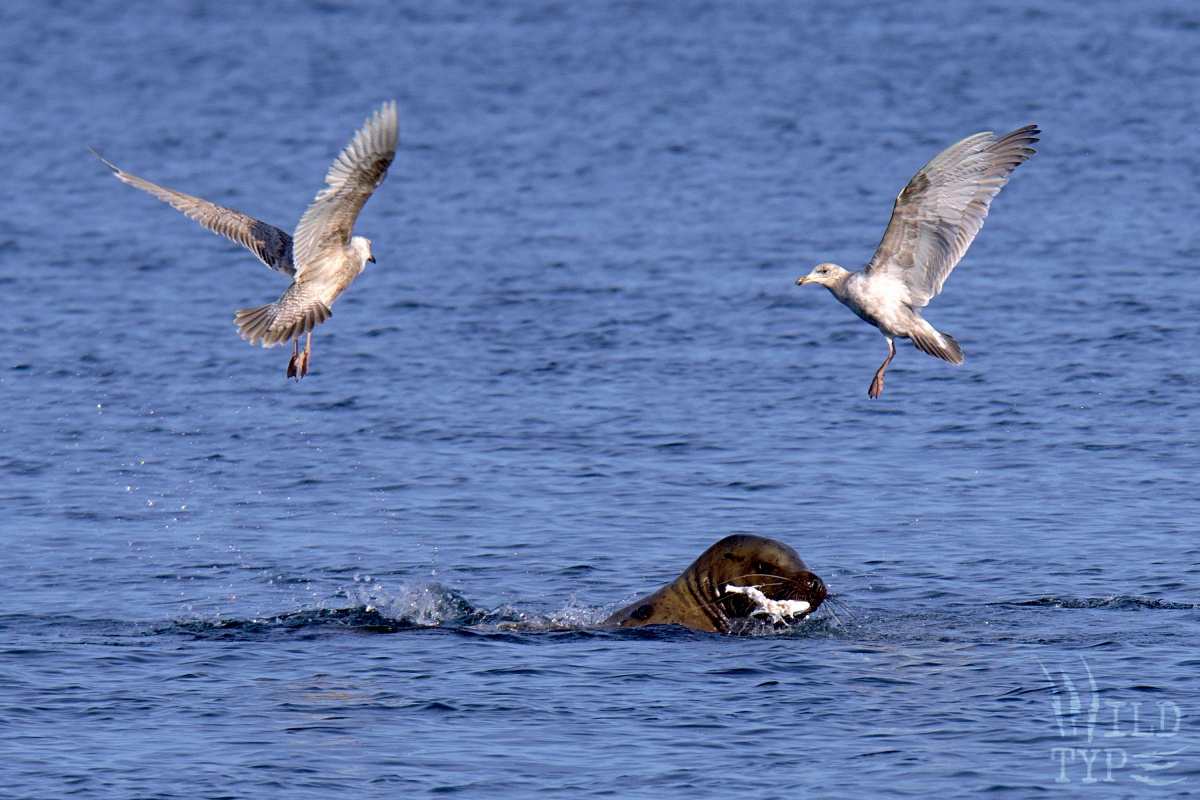
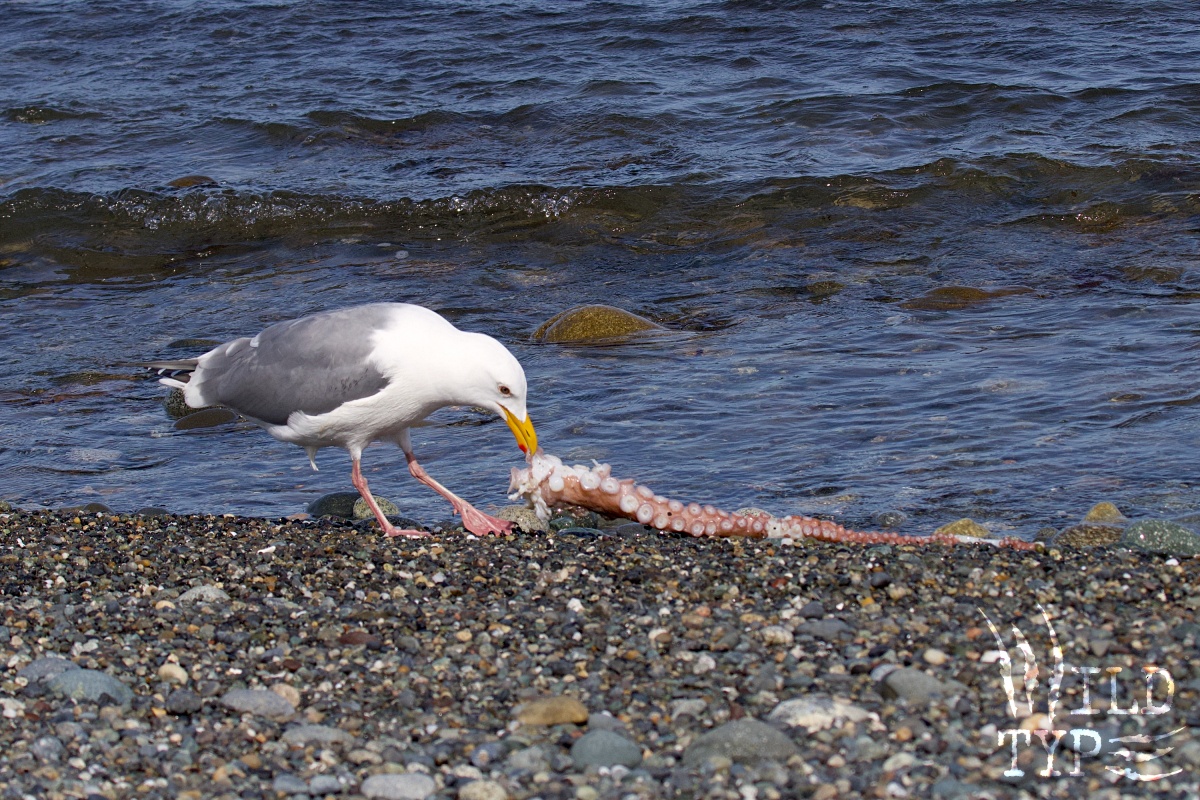
My Laddie and I trekked the spit’s entire walkable length, an 11-mile round trip. That’s a long way to tote my six-pound zoom lens, but the refuge’s wildlife justified the effort. Flotillas of waterfowl—loons, mergansers, scoters, and ducks—bobbed on the strait. Bald eagles soared across the distant Olympic mountains and perched on pylons. Gulls provided endless entertainment. They stole fish scraps from seals, hunted for crabs, and hauled stray octopus legs out of the surf to nibble.
We were hungry enough to gnaw a tentacle ourselves by the time we reached New Dungeness Light, which has guided passing ships since 1894. Kindly volunteers offered us marble cake and a tour of the well-preserved historic site. Refreshed, we retraced our path between weather-bleached logs and the surf caressing a treasure trove of stones. Sea-green serpentinite chunks as big as my fist. Red jasper hearts. Speckled granite orbs indistinguishable from bird’s eggs. Although collecting specimens is prohibited in the sanctuary, I enjoyed the varied beauty of geology and avifauna alike.

Union Bay Natural Area
We spent the trip’s final day in Seattle, but our outdoor adventures didn’t cease at the city limits. Rather than queue up for tourist attractions, we embarked on an urban bird safari. From the Washington Park Arboretum—full of breathtaking rhododendrons and lush fern gullies that made me pine for Tasmania—we followed the waterfront trail. It took the name literally. Ankle-deep water washed out most of the path. My Laddie remarked on the “cli-fi” aesthetic as we navigated flooded benches and boardwalks. Canada geese and coots gliding effortlessly by made us foundering primates look all the more absurd.
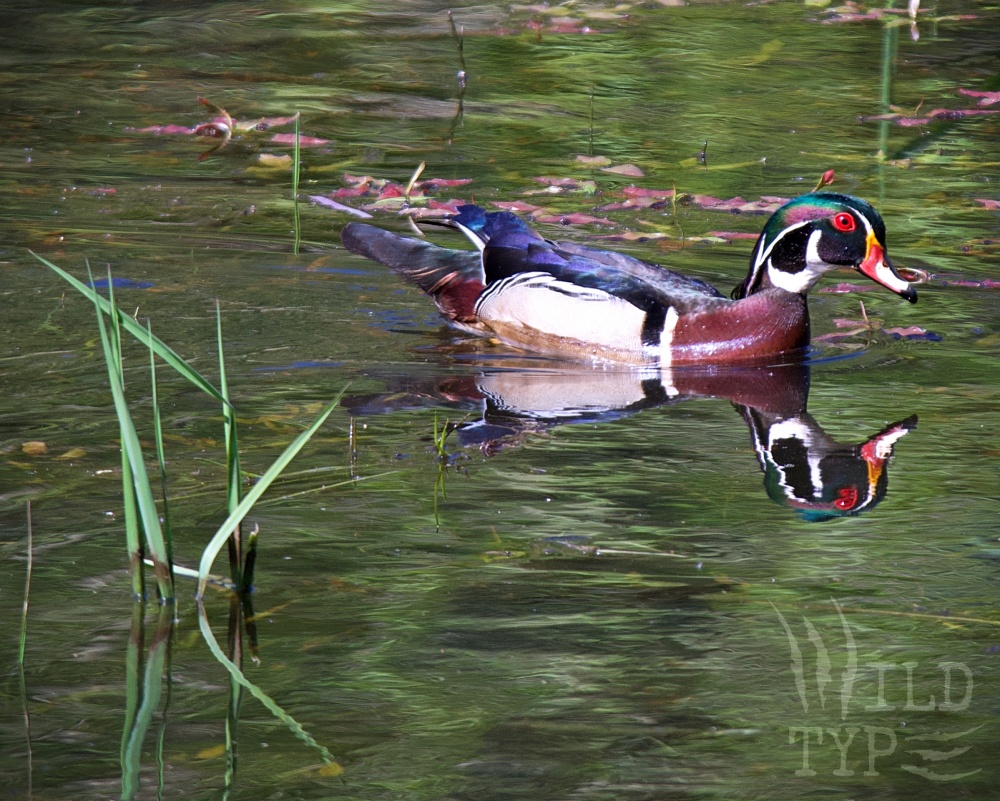
Wet socks squelching, we crossed Montlake Bridge to the Union Bay Natural Area. This 74-acre plot, managed by the University of Washington Botanic Gardens, provides an oasis for humans and wildlife alike. More than 200 bird species have been observed here, making it one of Seattle’s best birding spots. The concentrated biodiversity delighted me. Beyond a labyrinth of berry bushes, teals and ducks dabbled in a shallow marsh. Woodland areas chimed with warblers’ songs. A jewel-bright hummingbird posed on a twig before zipping away.
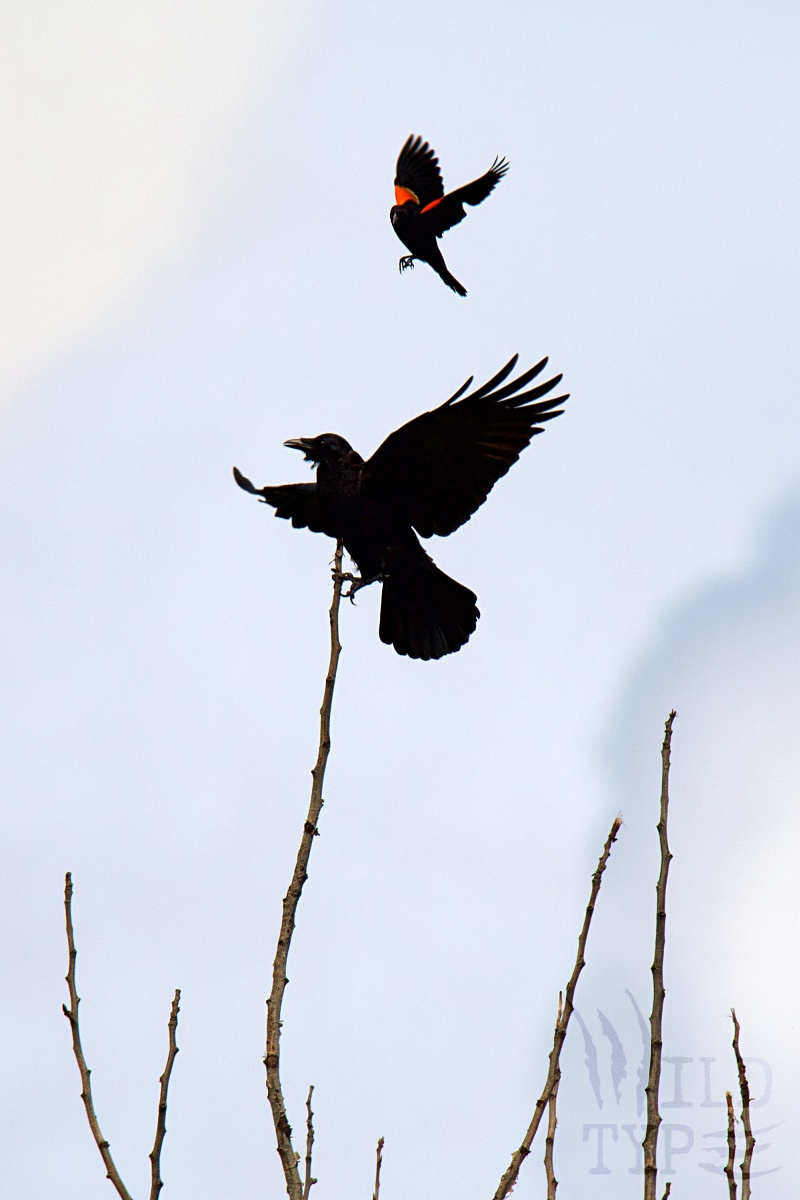
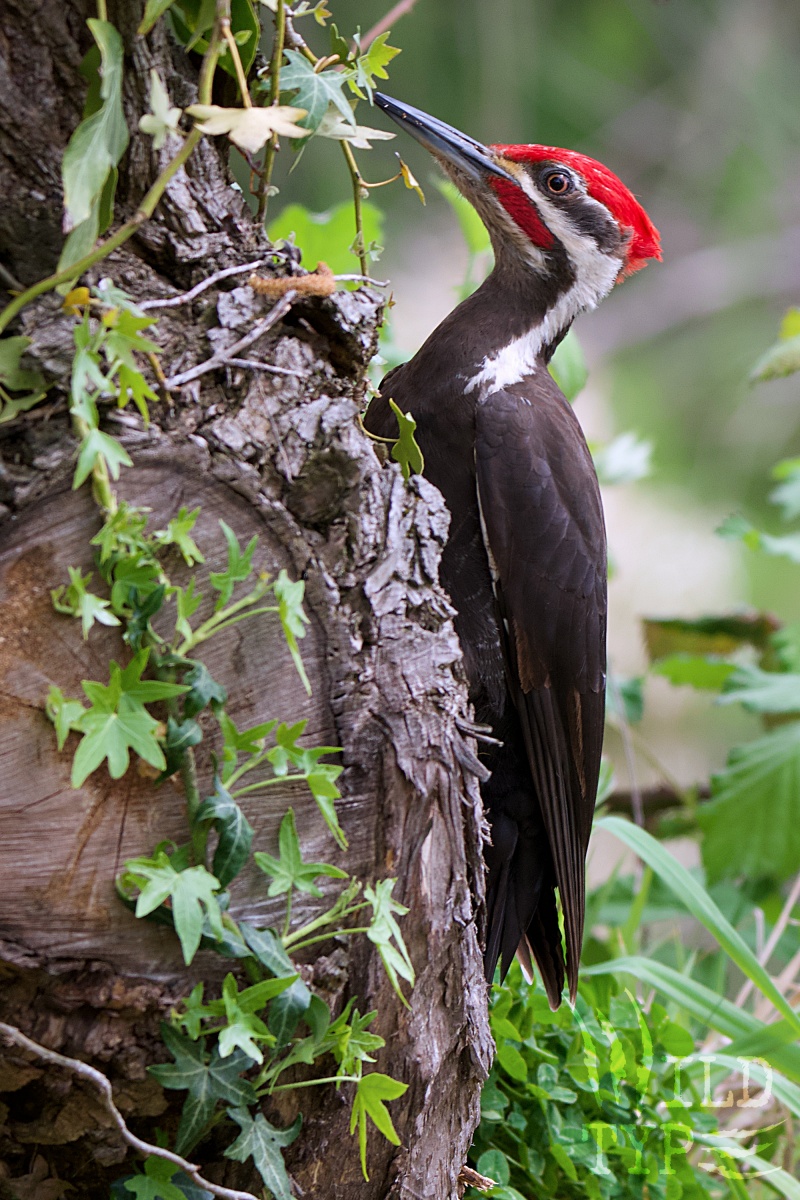
As usual, my Laddie’s keen eyes proved better than any binoculars. He spotted a crow struggling to balance on a treetop like a drunken Christmas angel while a red-winged blackbird dive-bombed it repeatedly. Seattle’s teeming piers don’t sell entertainment like that! On our way out of the park, he caught my arm and pointed: a gorgeous pileated woodpecker hammered at a tree just a few feet away. Olympic National Park’s deep forests probably wouldn’t have gifted us such an intimate encounter, close enough catch the piratical gleam in the bird’s eye.
Outside Olympic, But Epic Exploration
We walked more than 100 miles in a week exploring places like these, and enjoyed every step. All three sites offered easier access, fewer crowds, and lower fees than Olympic National Park. They are also great shoulder-season alternatives (when we visited in April, snow still closed the roads to some of Olympic’s storied hikes). While they might not grace any postcards, you can make your own with endless opportunities for hiking and wildlife photography! If you’re planning a trip on the wild side of Washington, consider adding these stops to your itinerary.
 Wild Type
Your bird photos are amazing, looks like you had a great time.
LikeLike
Thank you! We got lucky with several sunny days amid the typical northwestern drizzle, which gave glorious light for my camera.
LikeLike